
Wagon-Lit
1989
No user ratings available yet
Representation score: 4.4 out of 10
Representation Score
Fair
1999
Director
Jean-Claude Guiguet
Runtime
93 minutes
Average Rating
No ratings yetNew Showbiz Analysis
The film functions as a fragmented social portrait rather than a conventional hero-centric drama. It employs an observational style to explore the 'double lives' of commuters, providing a structural framework for diverse themes even when they are not explicitly highlighted. While the film lacks overt, high-impact representation in certain categories, its setting and protagonist choice indicate an intention towards social realism. The selection of a diverse Parisian transit line offers a realistic backdrop for multicultural storytelling. Ultimately, the film succeeds in deconstructing traditional narrative clichés by focusing on a collective experience rather than a single, homogeneous perspective.
Category Breakdown
The film does not include any explicit representations of LGBTQ+ identities or non-cisgender subtexts.
The film features a female protagonist who serves as the central intellectual guide. She observes and interacts with others, disrupting traditional male-dominated narratives.
Set in the Saint Denis-Bobigny area, the film reflects a multicultural environment. The diverse population of this transit corridor suggests a narrative that captures the ethnic reality of the urban periphery.
The film emphasizes existentialism and personal morality over institutional structures. It focuses on individual truths and the transient nature of human connections within a secular, postmodern context.
There is no information available regarding the portrayal of physical or neurodivergent characters in this work.
Present on Screen
Limited or Absent
Official Synopsis
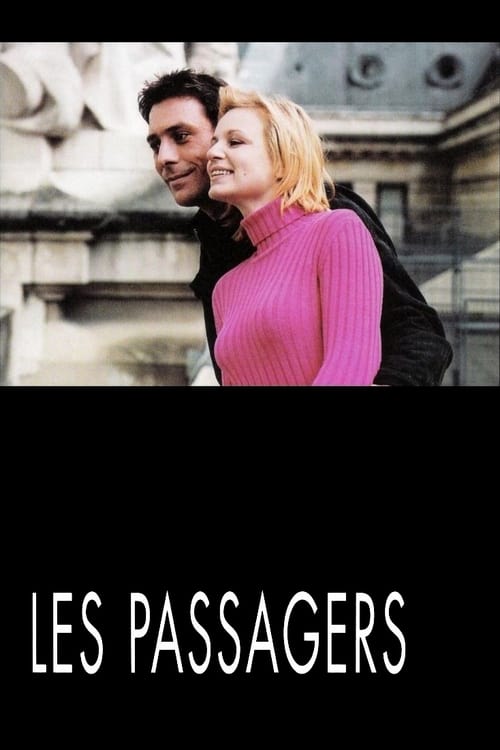
The new Saint Denis-Bobigny streetcar picks up and drops off commuters in an all-too-brief transit of their lives. Among the regular riders is a woman who is both spectator and guide – she introduces, comments on, ponders and catalyzes the sometimes vain, sometimes serious preoccupations of her fellow travelers, who, for the moment, are rushing headlong toward their destiny. The commuters and their observer have double lives. Once they step off this streetcar, the real-life dramas begin. Each has his or her style of living or dying…
1989

2006

2007

1988
2007

1966

1982

2003
No reviews yet. Be the first to share your thoughts on this movie!
Use the rating form above to leave a star rating and optional review.