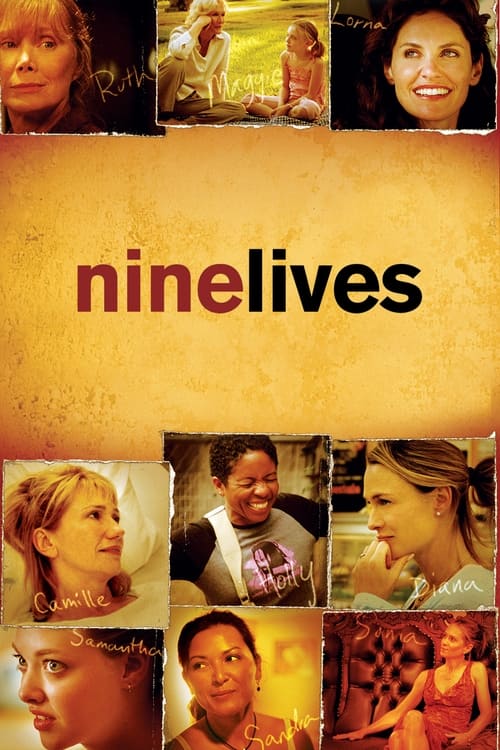
Nine Lives
2005
No user ratings available yet
Representation score: 7.9 out of 10

Representation Score
Fair
1999
Director
Jacques Maillot
Runtime
147 minutes
Average Rating
No ratings yetNew Showbiz Analysis
Jacques Maillot’s drama uses an ensemble format to explore fragmented social connections and identity. By focusing on six interconnected lives, the film avoids a single patriarchal lead, offering a more intricate look at human relationships and fractured bonds. The inclusion of diverse casting, particularly Sami Bouajila, adds ethnic complexity to the French context. This indicates an intention to represent a more pluralistic society compared to earlier films of the late 90s. While the film addresses themes of sexual identity and subjective morality, the absence of specific character details prevents a higher evaluation of its representation. It remains a work of psychological realism that challenges conventional social hierarchies.
Category Breakdown
The film explores themes related to sexual identity without relying on traditional heterosexual narratives. It moves beyond typical assumptions about relationships to consider a wider range of experiences.
With an ensemble cast of six individuals, the film focuses on the power dynamics between characters. This setup allows for a detailed examination of emotional labor and the roles individuals play in shaping the story.
Sami Bouajila's casting adds North African ethnicity to the French setting, reflecting a more inclusive and diverse representation of society.
The story emphasizes humanist connections rather than strict institutional frameworks. Traditional social structures like the nuclear family are shown as sources of conflict and change.
There is no evidence regarding the portrayal of physical or neurodivergent disabilities within the film.
Present on Screen
Limited or Absent
Official Synopsis
Six people whose lives are intertwined struggle to find happiness amid broken relationships and painful life changes.
2005

1992

2006

1965

2007
2000

1996
1999
No reviews yet. Be the first to share your thoughts on this movie!
Use the rating form above to leave a star rating and optional review.