
Brexit: The Movie
2016
No user ratings available yet
Representation score: 2.6 out of 10
Representation Score
Fair
2015
Director
Annalisa Piras
Runtime
80 minutes
Average Rating
No ratings yetNew Showbiz Analysis
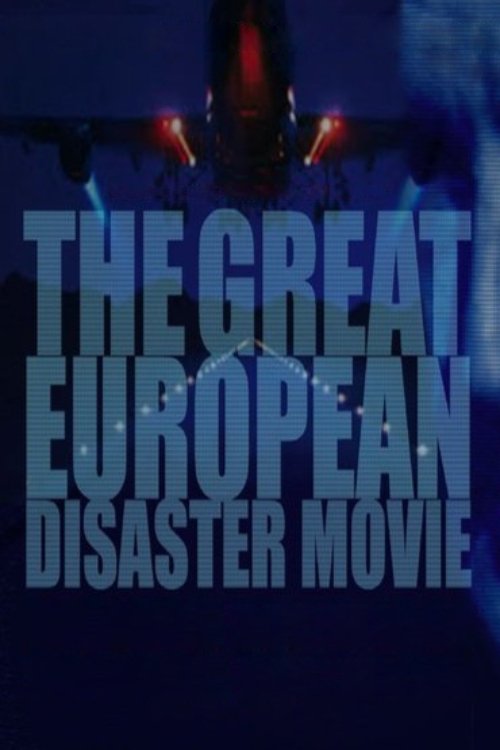
The film excels at deconstructing Western political structures and institutions. By presenting the European Union through a 'disaster movie' lens, it shifts the narrative from one of stability to one of systemic crisis. While the documentary provides a multi-perspective view of European citizens, it lacks specific focus on identity-based representation such as LGBTQ+ or disability narratives. Its strength lies in its cultural and systemic critique rather than individual identity politics. Ultimately, the work serves as a high-level analysis of economic and identity challenges, using speculative fiction to question the longevity of current political structures.
Category Breakdown
The film focuses on the economic and political issues in Europe but does not specifically address LGBTQ+ identities or provide dedicated stories about these communities.
By focusing on citizens rather than just political leaders, the film avoids a purely top-down perspective. However, it does not explicitly challenge gendered power dynamics.
Through various European case studies, the documentary addresses identity challenges and shifting demographics. This approach moves away from a homogeneous view toward a more diverse reality.
The film offers a sophisticated critique of Western institutions through a speculative, post-EU lens. It uses a fictionalized future to challenge the perceived stability of modern political structures.
There is no specific information regarding the portrayal of physical or neurodivergent disabilities within this documentary.
Present on Screen
Limited or Absent
Official Synopsis
2014-2015: 17. The Great European Disaster Movie Authored documentary by Italian director Annalisa Piras and former editor of The Economist Bill Emmott, which explores the crisis facing Europe. Through case studies of citizens in different countries, the film explores a range of factors that have led to the present crisis, economic and identity challenges across Europe. High-level experts analyse how and why things are going so wrong. The film includes fictional scenes, set in a post-EU future, which feature archaeologist Charles Granda (played by Angus Deayton) travelling on a flight through a menacing storm, explaining to a child passenger what the EU was. Sombre, thought-provoking and witty, the film frames Europe through the eyes of those who have most at stake - the Europeans themselves.
2016
2016
2012
2009
2015
2019
2017
2015
No reviews yet. Be the first to share your thoughts on this movie!
Use the rating form above to leave a star rating and optional review.