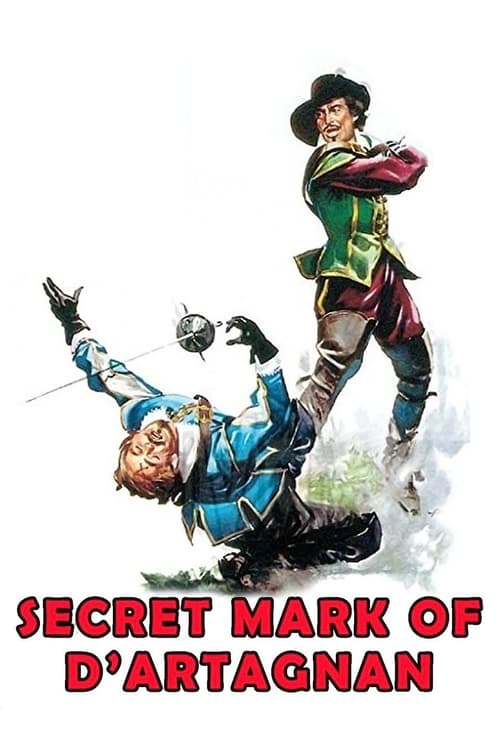
The Secret Mark of D'Artagnan
1962
No user ratings available yet
Representation score: 1.4 out of 10
Representation Score
Limited
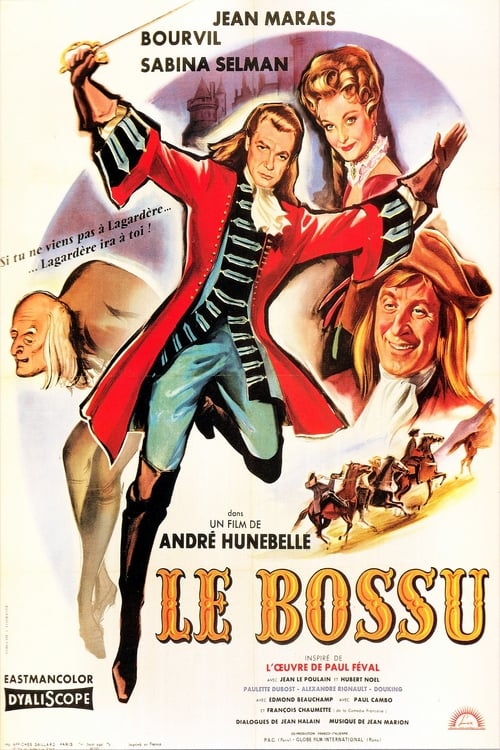
1959
Director
André Hunebelle
Runtime
105 minutes
Average Rating
No ratings yetNew Showbiz Analysis
The Hunchback of Paris is a quintessential 1950s swashbuckler that prioritizes classical heroism and genre conventions over social subversion. It adheres to the demographic and social norms of its era, focusing on a traditional male-driven adventure. While the film features a central character with a physical disability, the depiction relies on established clichés of the period. The narrative structure reinforces existing hierarchies rather than challenging them. Ultimately, the film functions as a period-accurate piece of commercial cinema that maintains the status quo of its historical and cinematic context.
Category Breakdown
The film follows a strictly straight-centered framework. There is no evidence of diverse gender identities or same-sex relationships within the narrative.
Female characters like Aurore mainly serve as romantic interests or plot catalysts. Male leads retain most of the narrative control, reinforcing traditional male dominance.
The production reflects the demographic homogeneity of 15th-century France. The cast aligns with a Eurocentric historical setting without modern inclusion efforts.
Conflicts are framed through personal honor and vendettas rather than broader critiques. The story emphasizes traditional heroic archetypes and personal justice.
The central character has a visible physical disability. However, the portrayal leans toward spectacle and plot motivation rather than nuanced, self-determined ability to act.
Present on Screen
Limited or Absent
Official Synopsis
Duke Philippe de Nevers is an influential and popular man who is married to a beautiful wife called Aurore. His rival Philippe de Gonzague hates him enough to organise an attempt on him. The Duke is accompagnied by Henri de Lagardère when de Gonzague's henchmen altogether attack him. Lagardère cannot save his friend because the both of them are hopelessly outnumbered. He has to escape in order to save the Duke's daughter and swears revenge. Together with his old buddy Passepoil he raises the little girl in Spain. At the same time he returns frequently to France where he detects confronts his friend's murderers and puts them to the sword one by one until only their former leader is left. Finally he discovers that Philippe de Gonzague is the man for whom he is looking.
1962
1997

1939
1924
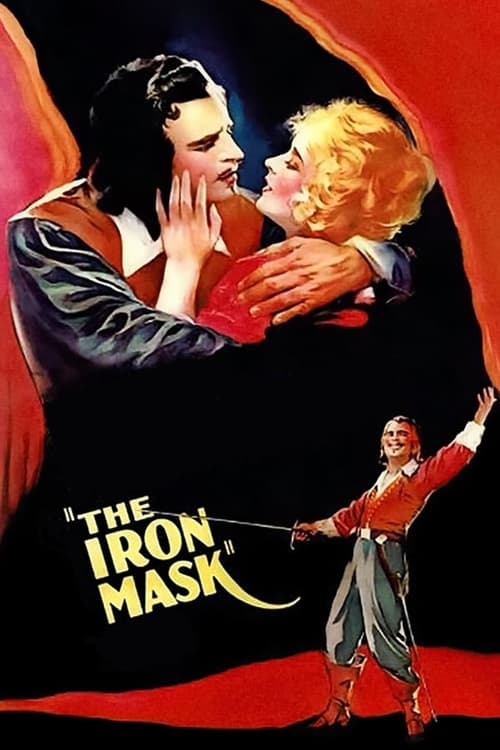
1929
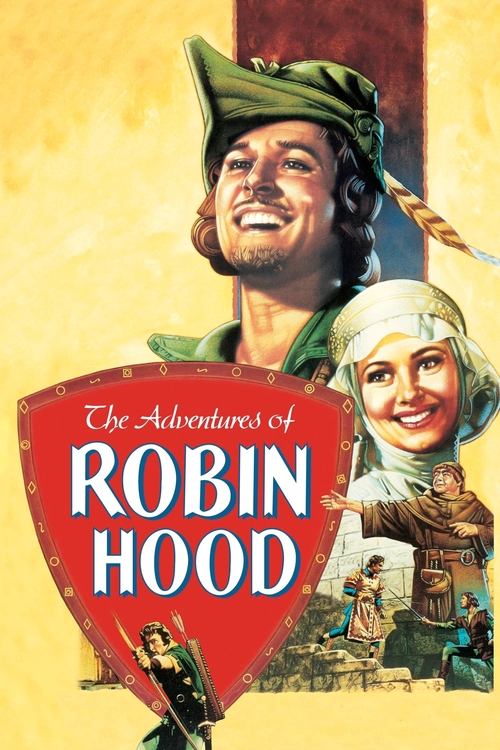
1938

1960
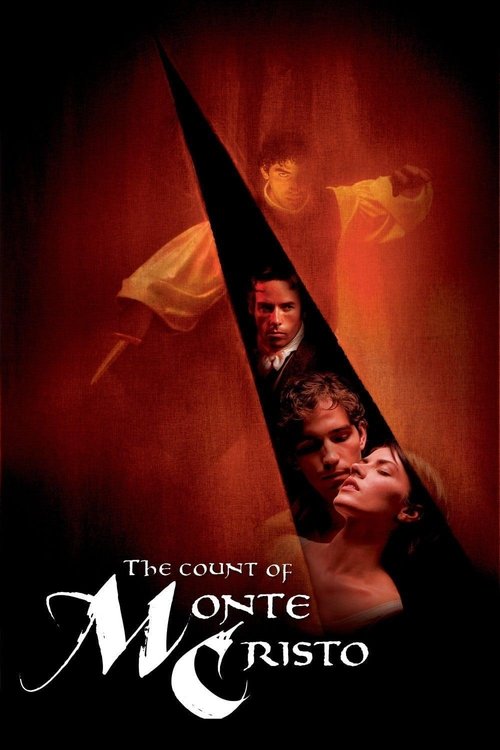
2002
No reviews yet. Be the first to share your thoughts on this movie!
Use the rating form above to leave a star rating and optional review.