
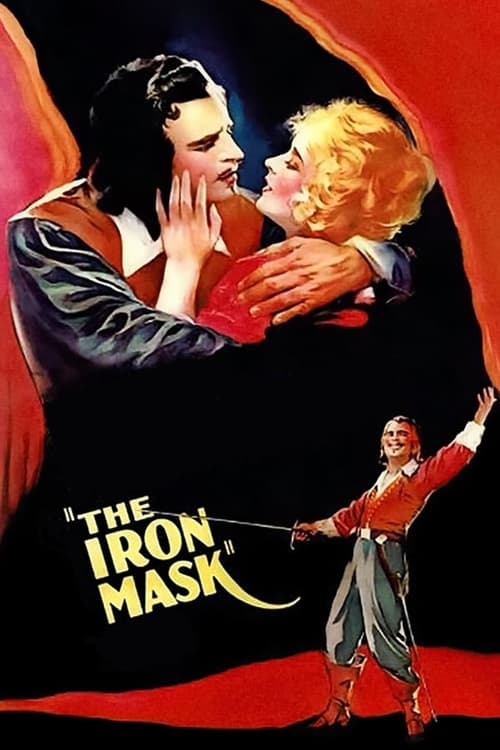
The Man in the Iron Mask
1939
No user ratings available yet
Representation score: 3.0 out of 10
Representation Score
Minimal
1929
PassedDirector
Allan Dwan
Runtime
103 minutes
Average Rating
No ratings yetNew Showbiz Analysis
The Iron Mask is a period-typical historical melodrama that prioritizes monarchical stability and traditional power dynamics. Its narrative structure relies on established hierarchies, leaving little room for diverse perspectives or social subversion. Character roles are heavily skewed toward male figures, while female characters are relegated to secondary positions. The film's focus on European aristocracy and the preservation of the status quo reflects the limited social scope of 1920s adventure cinema. Ultimately, the film functions as a traditional tale of political intrigue and royal succession, offering minimal disruption to the conventional social structures of its time.
Category Breakdown
The film adheres to structures that assume everyone is straight or cisgender, focusing on the romance between D'Artagnan and Constance. No representation of LGBTQ+ identities or same-sex intimacy is present.
Male protagonists like the Musketeers and royal heirs have significant roles in driving the story. Female characters like Constance primarily serve as catalysts for male action or figures needing rescue.
The production reflects the homogeneous casting standards of the silent era. The narrative focuses exclusively on European aristocracy without evidence of racial blending.
The story reinforces traditional Western institutions, specifically the monarchy and divine right. It centers on restoring royal authority rather than critiquing systemic oppression.
The central mask motif serves as a symbol of political secrecy rather than a portrayal of disability. There is no exploration of lived experience regarding neurodivergence or physical impairment.
Present on Screen
Limited or Absent
Official Synopsis
King Louis XIII of France is thrilled to have born to him a son - an heir to the throne. But when the queen delivers a twin, Cardinal Richelieu sees the second son as a potential for revolution, and has him sent off to Spain to be raised in secret to ensure a peaceful future for France. Alas, keeping the secret means sending Constance, lover of D'Artagnan, off to a convent. D'Artagnan hears of this and rallies the Musketeers in a bid to rescue her. Unfortunately, Richelieu out-smarts the Musketeers and banishes them forever.
1939
1948
1962
2023
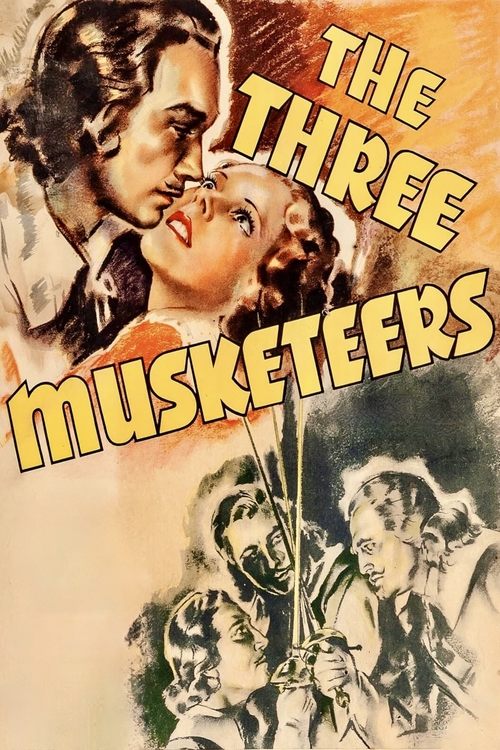
1935
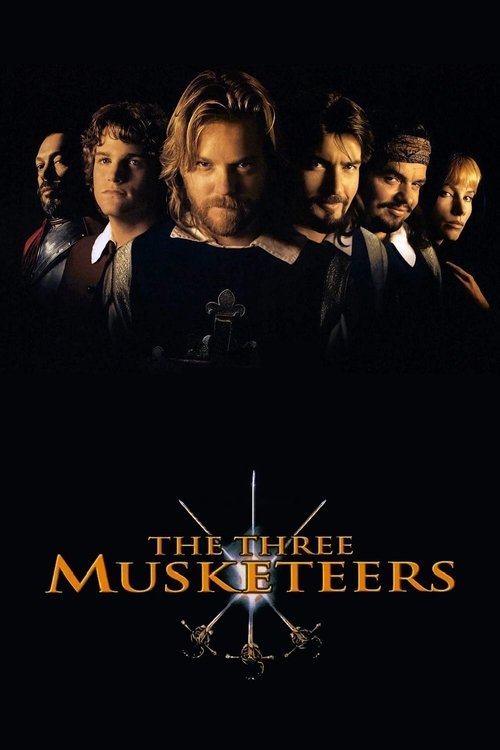
1993
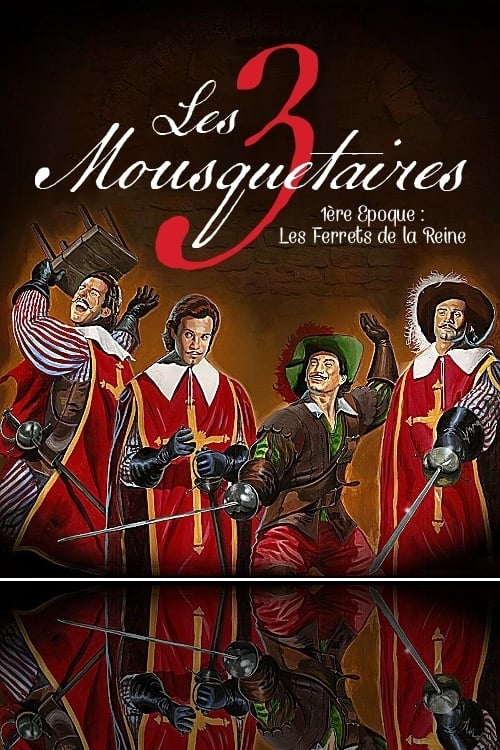
1961
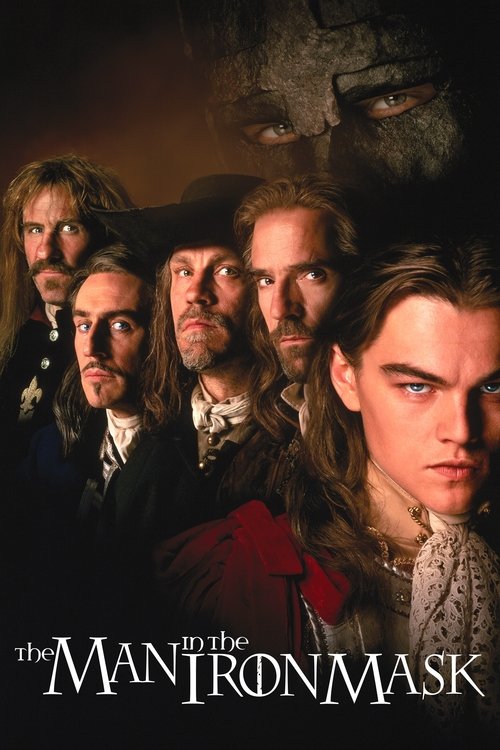
1998
No reviews yet. Be the first to share your thoughts on this movie!
Use the rating form above to leave a star rating and optional review.