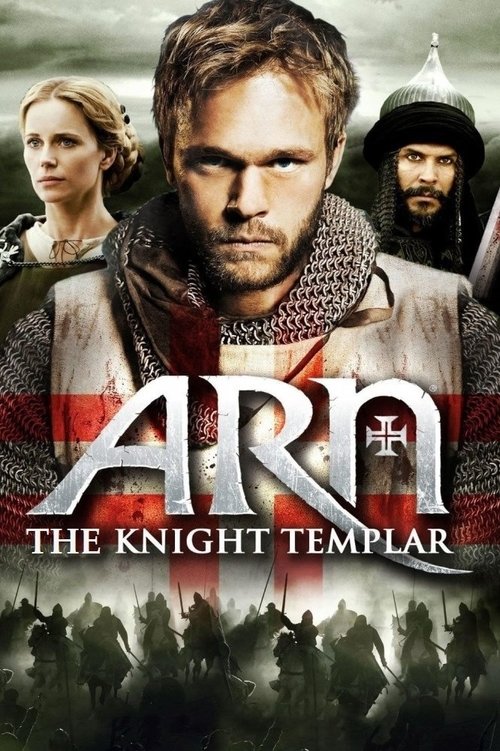
Arn: The Knight Templar
2007
No user ratings available yet
Diversity score: 3.0 out of 10
1997
Director
Peter Flinth
Runtime
91 minutes
Average Rating
No ratings yetSynopsis
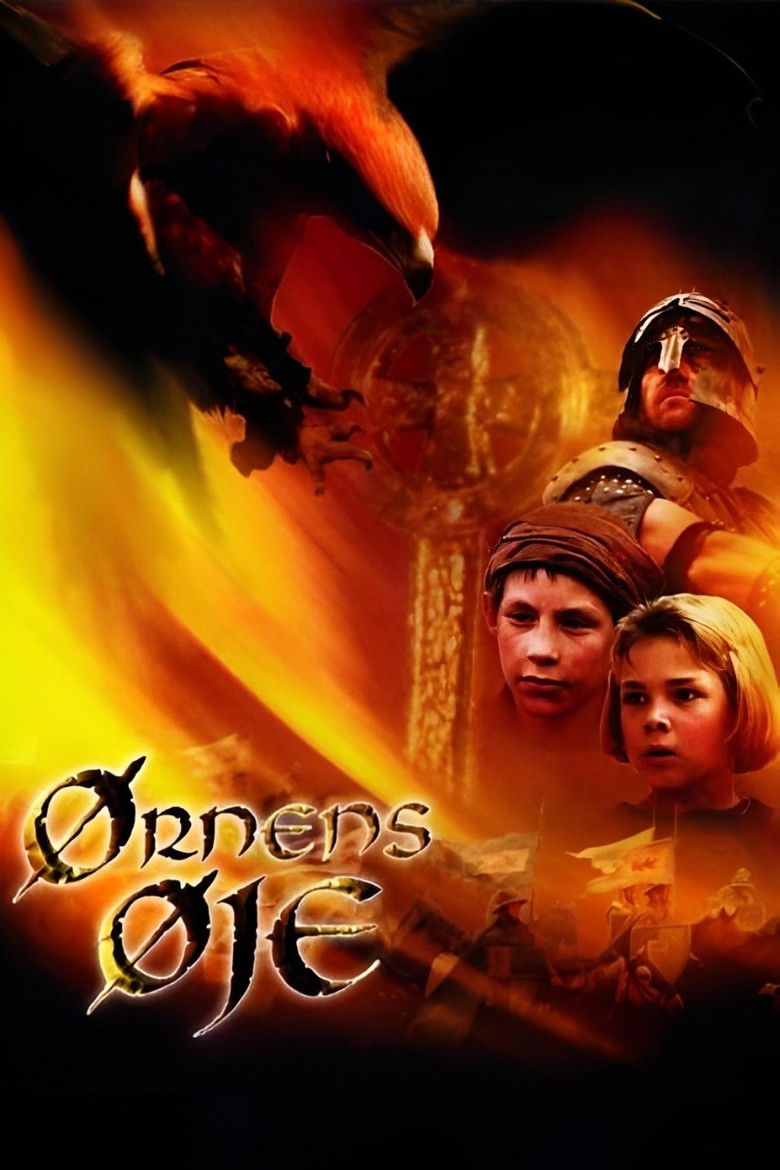
In 1218 Danish king Valdemar sends his homonymous young son and heir in safety, as war is at the borders, to Erskil, the bishop of Ravensburg, who is instructed to see to the prince's education. Alas the bishop is the brain of a conspiracy to seize the crown for himself, as most of the nobles are dissatisfied with the endless wars that bring them no profit. The prince and kitchen-boy Aske accidentally fall out of the castle and overhear the conspirators, but are seen and pursued by the men of the One-eyed Man, a feared mercenary who is in the conspiracy to take mortal revenge on the king for leaving him behind on a battlefield where he lost an eye which was eaten by an eagle, which he tamed and now shares his sight with. Written by KGF Vissers
Overall Score
Limited
Category Breakdown
LGBTQ+ Representation
The film lacks visible non-cisnormative identities or same-sex intimacy. The focus remains strictly on political survival and traditional medieval hierarchies.
Gender Representation
Power and agency are concentrated among male figures like the King, Prince, and Bishop. The narrative follows traditional gendered power structures without evident subversion.
Racial & Ethnic Diversity
Set in 1218 Denmark, the story focuses on localized political conspiracies. This historical setting results in an ethnically homogeneous cast and limited cross-cultural interaction.
Religious & Cultural Diversity
The film critiques institutional power by portraying the Bishop as a conspirator. However, it remains rooted in traditional Western feudal and monarchical structures.
Disability Representation
The One-eyed Man provides a visible depiction of physical disability. His symbiotic relationship with an eagle suggests a unique, non-standard portrayal of physical difference.
Strengths
Areas for Improvement
AI Analysis
Eye of the Eagle is a traditional historical adventure that prioritizes established medieval power dynamics. The narrative is driven by male-centric political conflicts, leaving little room for diverse gender or sexual representation. The film's setting in 13th-century Denmark limits ethnic and cultural breadth, focusing instead on localized Danish conspiracies. This creates a narrow demographic scope typical of period dramas set in specific European locales. While the film lacks intersectional complexity, it offers a notable character study through the One-eyed Man. His physical impairment is integrated into his identity and his connection to the natural world.
No reviews yet. Be the first to share your thoughts on this movie!
Use the rating form above to leave a star rating and optional review.