Obedience
1962
No user ratings available yet
Representation score: 1.9 out of 10
Representation Score
Limited
1976
NRDirector
Charles S. Dubin
Runtime
102 minutes
Average Rating
No ratings yetNew Showbiz Analysis
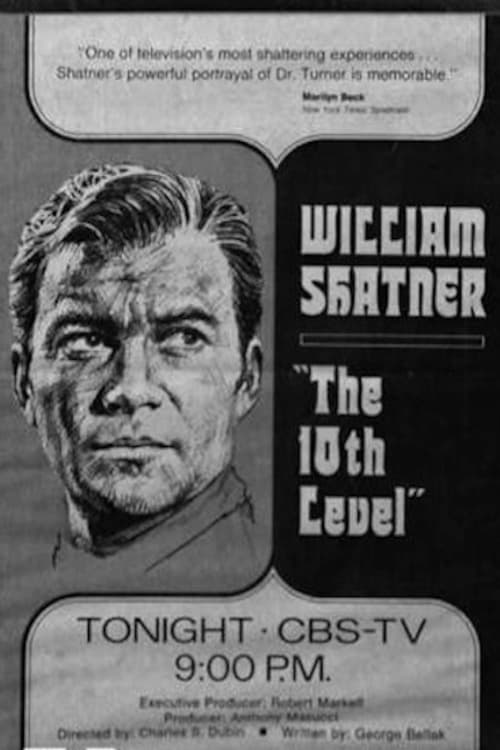
The Tenth Level serves as a psychological procedural that deconstructs the mechanics of authority and obedience. Using the Milgram experiment, it examines how individuals bypass personal morality within a structured hierarchy. Though the film lacks explicit characters who reflect more than one aspect of diversity or identity-based characters, its intellectual focus provides a departure from status-quo-affirming media. It prioritizes a critique of systemic rules and institutional power over traditional character-driven drama. Ultimately, the film's strength lies in its sociological critique, challenging the stability of Western social structures by framing adherence to systemic orders as a potential vehicle for profound moral failure.
Category Breakdown
The film does not include any LGBTQ+ characters or narratives. Its focus is on the psychological dynamics of obedience and authority.
The story centers on the power dynamics between Professor Turner and his students, exploring how individual ability to act is subverted.
The film addresses historical racial trauma through its exploration of Nazi complicity and the Holocaust, though the specific racial composition of the cast is not detailed.
The film critiques Western social institutions and the morality of following orders, adopting a skeptical stance towards institutionalized science and social hierarchy.
There are no characters with visible or invisible disabilities in the film, nor is such representation used as a plot device.
Present on Screen
Limited or Absent
Official Synopsis
Inspired by the Stanley Milgram obedience research, this TV movie chronicles a psychology professor's study to determine why people, such as the Nazis, were willing to "just follow orders" and do horrible things to others. Professor Stephen Turner leads students to believe that they are applying increasingly painful electric shocks to other subjects when they fail to perform a task correctly, and is alarmed to see how much pain the students can be convinced to inflict "in the name of science."
1962
2015

1970
2016

1973
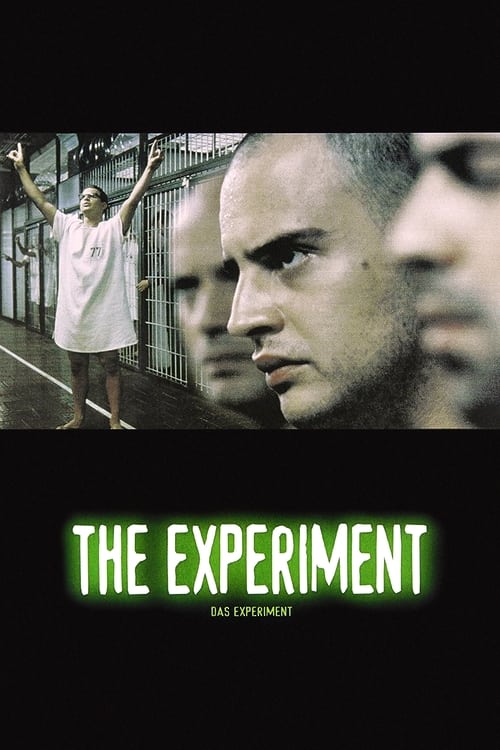
2001
2006
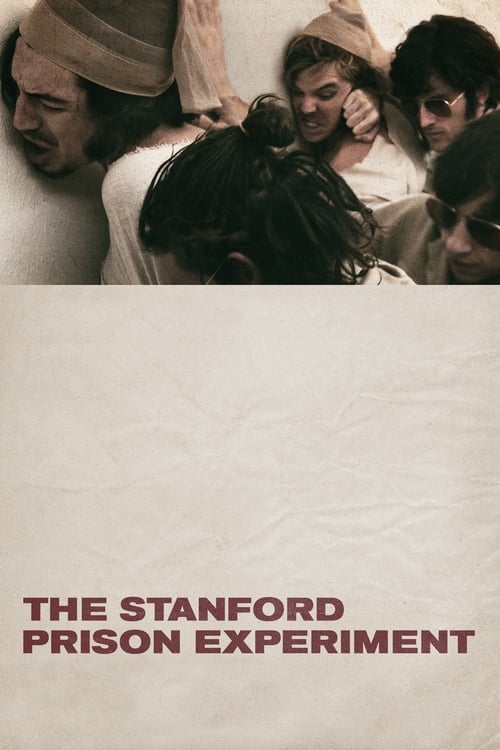
2015
No reviews yet. Be the first to share your thoughts on this movie!
Use the rating form above to leave a star rating and optional review.