Agnes of God
1985
No user ratings available yet
Representation score: 5.8 out of 10
Representation Score
Fair
1977
RDirector
Sidney Lumet
Runtime
137 minutes
Average Rating
No ratings yetNew Showbiz Analysis
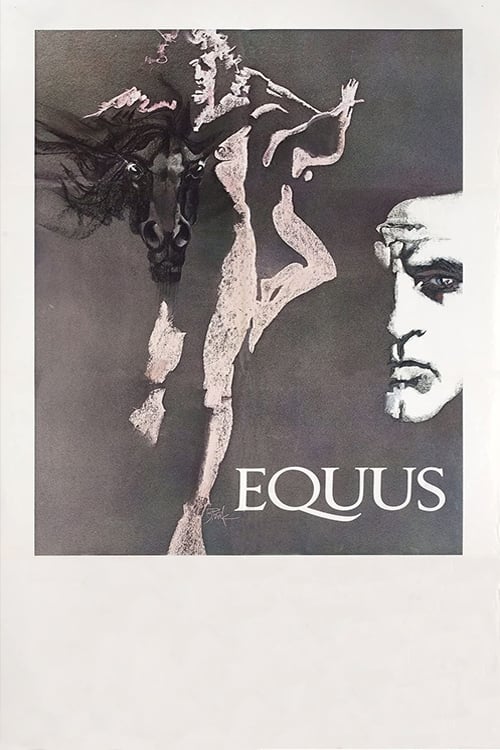
Sidney Lumet’s Equus is a profound psychological drama that emphasizes intellectual depth over broad demographic representation. It effectively critiques the systemic pressures exerted by medical and religious institutions, highlighting the cost of societal conformity. However, the film remains narrow in its social scope. The cast is predominantly white, and the narrative is heavily centered on a male crisis of spirit, limiting the representation of female and minority perspectives. Ultimately, the film is a study of the individual’s struggle against institutional forces, trading traditional representation for a sophisticated exploration of mental health and societal norms.
Category Breakdown
The film examines repressed desires and non-traditional sexual impulses through a clinical perspective, focusing on the psychological impact rather than celebrating LGBTQ identity.
The story centers around male characters, with females serving mainly as catalysts for the male protagonists or as symbols of traditional family roles.
Set in mid-20th-century England, the film features a predominantly white cast, reflecting the demographics of the time without attempting to diversify.
The film critiques medical and religious institutions, showing how these systems enforce conformity and erase individual differences.
Alan Strang’s neurodivergence is a key element of the story, but the focus is on psychological trauma rather than his personal empowerment.
Present on Screen
Limited or Absent
Official Synopsis
A psychiatrist, Martin Dysart, investigates the savage blinding of six horses with a metal spike in a stable in Hampshire, England. The atrocity was committed by an unassuming seventeen-year-old stable boy named Alan Strang, the only son of an opinionated but inwardly-timid father and a genteel, religious mother. As Dysart exposes the truths behind the boy's demons, he finds himself face-to-face with his own.
1985
1959
2017
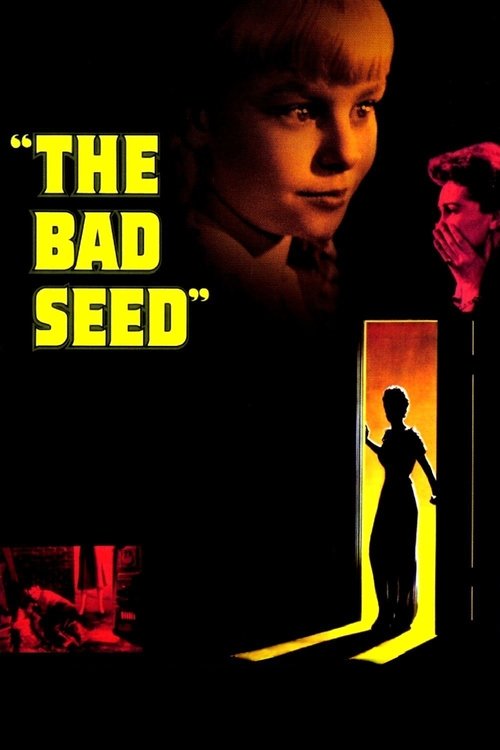
1956
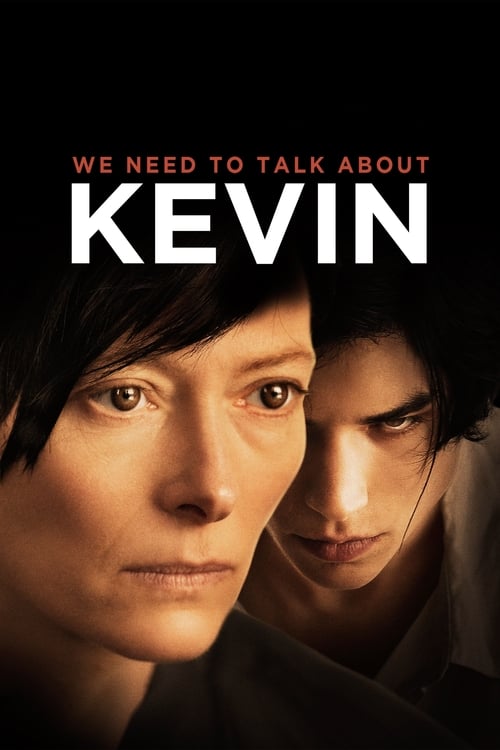
2011
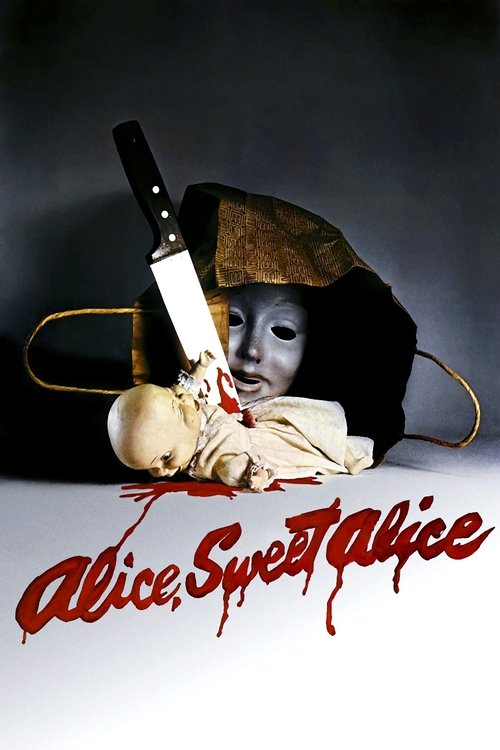
1976
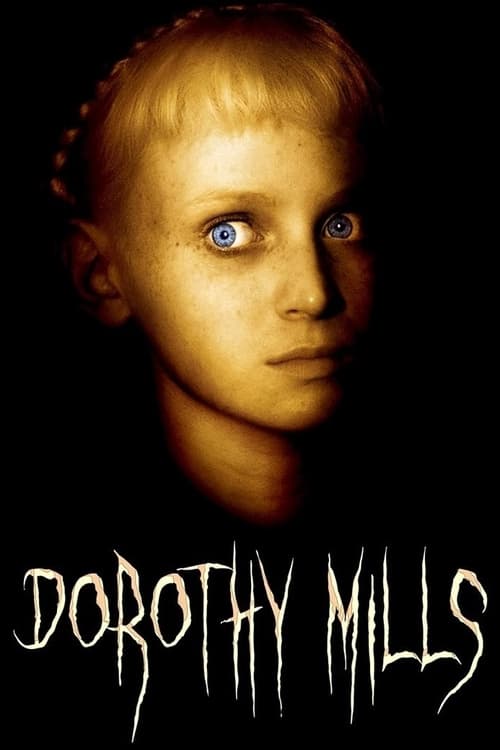
2008

1969
No reviews yet. Be the first to share your thoughts on this movie!
Use the rating form above to leave a star rating and optional review.