
Quiet Rage: The Stanford Prison Experiment
1992
No user ratings available yet
Representation score: 4.1 out of 10
Representation Score
Minimal
1962
Director
Stanley Milgram
Runtime
45 minutes
Average Rating
No ratings yetNew Showbiz Analysis
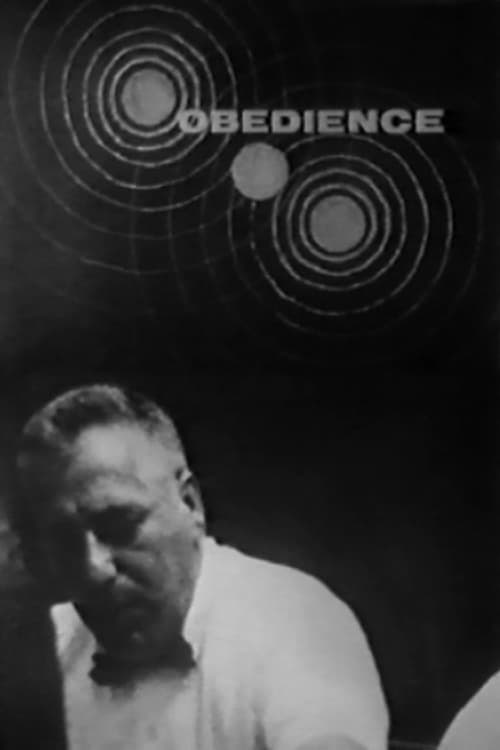
Obedience is a seminal piece of social documentation that prioritizes the deconstruction of authority over demographic representation. It functions as a study of how systemic pressure can override personal ethics. While the film lacks modern diverse casting due to its 1962 origins, it achieves significant intellectual subversion. It challenges the perceived stability of Western social hierarchies by illustrating how institutional structures manipulate individual roles. Ultimately, the work is less about identity representation and more about a systemic interrogation of human behavior within hierarchical structures.
Category Breakdown
The footage serves as a clinical psychological study. There is no discernible focus on or representation of sexual orientation or gender identity.
Subjects reflect the demographic norms of the early 1960s. The film operates within the traditional social constraints of that era.
The participant pool reflects a predominantly homogeneous white demographic. This reflects the systemic social limitations of mid-century American academic studies.
The film excels in its critique of Western institutions. It functions as a profound interrogation of institutional legitimacy and systemic power.
The footage focuses on psychological responses to stress. There is no specific representation of physical or neurodivergent disabilities.
Present on Screen
Limited or Absent
Official Synopsis
In the film, we see subjects instructed to administer electric shocks of increasing severity to another person, and observe both obedient and defiant reactions. After the experiment, we witness subjects explain firsthand their actions. Obedience is as relevant today as it was at its publication. As we as a society witness suicide bombings, torture, and gang atrocities, we wonder just how far people will go. Fifty years later, this experiment still resonates as people ask themselves, “Would I pull that lethal switch?” This is the only authentic film footage of Milgram’s famous experiment and is essential to all foundational work in social psychology at the graduate, undergraduate, and high school level.
1992

1961
1996
2016
2010

2015
2006
2015
No reviews yet. Be the first to share your thoughts on this movie!
Use the rating form above to leave a star rating and optional review.