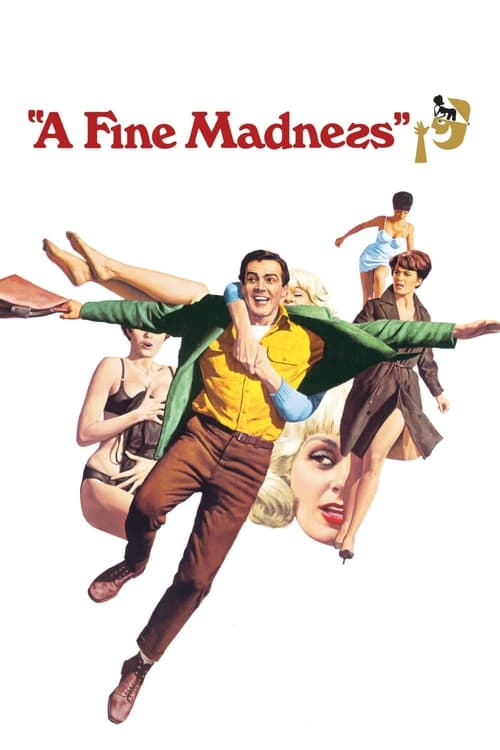
A Fine Madness
1966
No user ratings available yet
Representation score: 1.1 out of 10
Representation Score
Minimal
1960
Director
Stanley Donen
Runtime
92 minutes
Average Rating
No ratings yetNew Showbiz Analysis
Stanley Donen's musical drama is a quintessential product of its era, prioritizing genre conventions over social disruption. The film operates strictly within the established social hierarchies and assumptions that everyone is straight or cisgender. While the female lead displays significant emotional intelligence, the film's power dynamics reinforce traditional gender roles. The narrative centers on managing masculine volatility rather than challenging it. Ultimately, the production lacks diverse representation, offering a homogeneous cast and a worldview that celebrates Western institutional stability and conventional romantic reconciliation.
Category Breakdown
The film focuses on heterosexual relationships and traditional courtship. There is no presence of same-sex intimacy or non-binary gender identities.
The female lead acts as a stabilizing force against the conductor's volatility. However, the power dynamics remain rooted in mid-century expectations, where women are expected to manage masculine traits.
The cast is predominantly white and uniform, reflecting the production standards of the 1960s. It lacks significant racial or ethnic diversity.
The narrative upholds traditional Western social structures and professional hierarchies. It emphasizes conventional morality regarding marriage and social order.
No visible or invisible disabilities are portrayed as central to the character arcs. There are no characters defined by physical impairment or neurodivergence.
Present on Screen
Limited or Absent
Official Synopsis
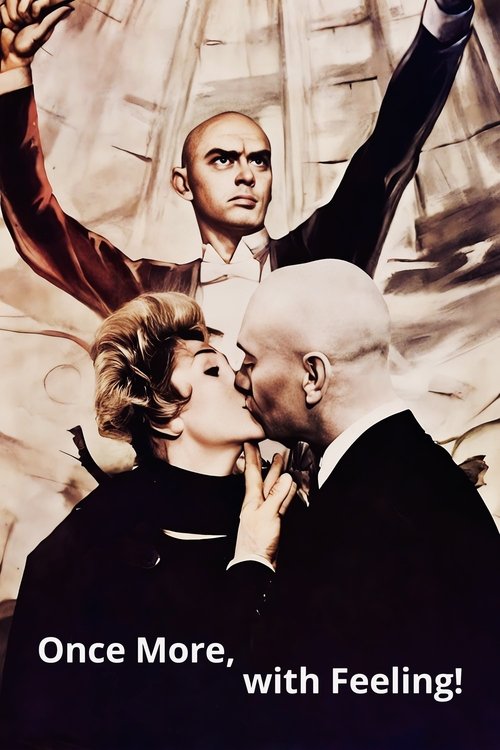
The wife of brilliant, but boisterous and ill-tempered conductor of the London Symphony puts up with his childishness, but the last straw is drawn when he begins an affair with a young pianist.
1966

1960

1979
1970

1960

1953
1962
1948
No reviews yet. Be the first to share your thoughts on this movie!
Use the rating form above to leave a star rating and optional review.