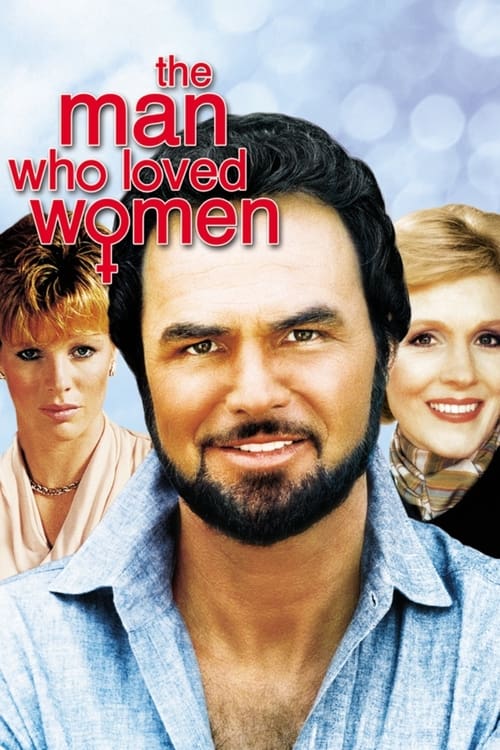
The Man Who Loved Women
1983
No user ratings available yet
Representation score: 1.6 out of 10
Representation Score
Minimal
1966
Not RatedDirector
Irvin Kershner
Runtime
107 minutes
Average Rating
No ratings yetNew Showbiz Analysis
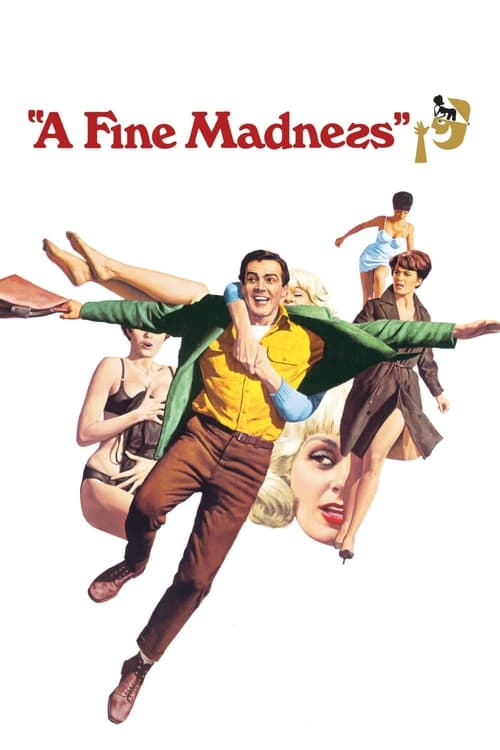
A Fine Madness is a period-specific character study that emphasizes individual eccentricity and the chaotic world of theater. It functions as a traditional dramedy focusing on the personal entanglements of its main characters. The film adheres to the demographic and social structures typical of its time, lacking the intention to disrupt traditional hierarchies or provide diverse representation. Ultimately, it remains a product of its era, prioritizing character-driven drama over the deconstruction of systemic power dynamics.
Category Breakdown
The film does not include any same-sex relationships or characters with non-binary gender identities.
The story explores tensions between male and female characters through both romantic and professional conflicts. However, it does not significantly challenge traditional gender roles or hierarchies.
Set in 1920s New York, the film features an ensemble cast that lacks significant non-white representation.
The narrative centers on the personal struggles of artists and their eccentricities. It does not address broader cultural or institutional critiques.
There are no characters with visible or invisible disabilities in the film.
Present on Screen
Limited or Absent
Official Synopsis
A womanizing poet falls into the hands of a psychiatrist with a straying wife.
1983
1968
1960

1970

1966

1966
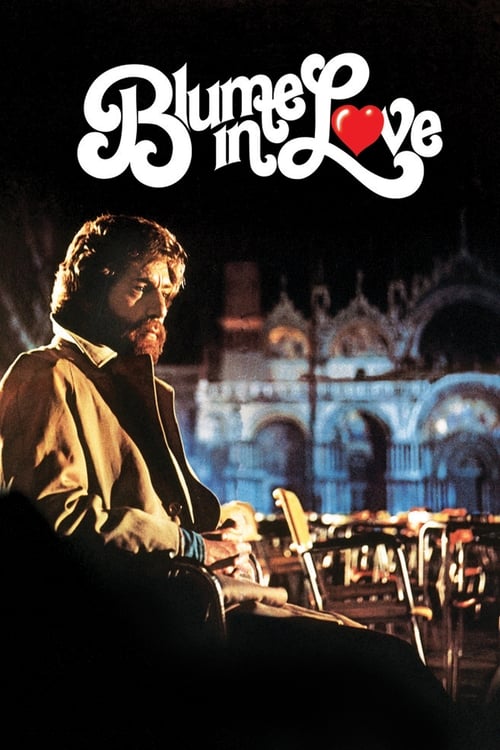
1973

1969
No reviews yet. Be the first to share your thoughts on this movie!
Use the rating form above to leave a star rating and optional review.