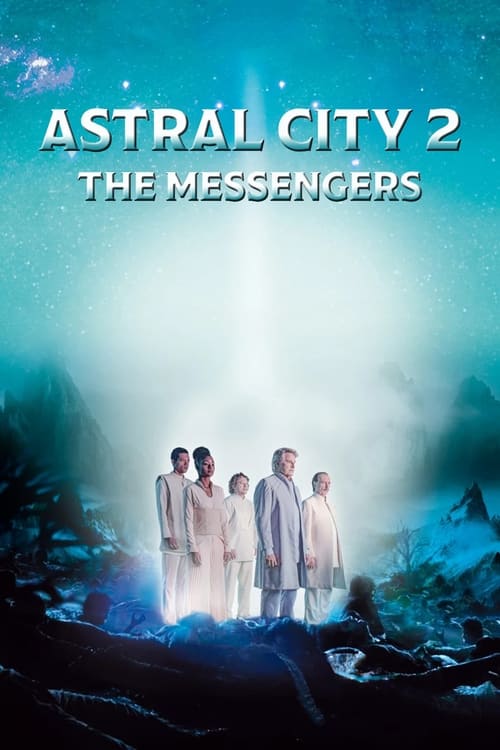
Astral City 2: The Messengers
2024
No user ratings available yet
Representation score: 7.0 out of 10
Representation Score
Limited
2010
Not RatedDirector
Wagner de Assis
Runtime
103 minutes
Average Rating
No ratings yetNew Showbiz Analysis
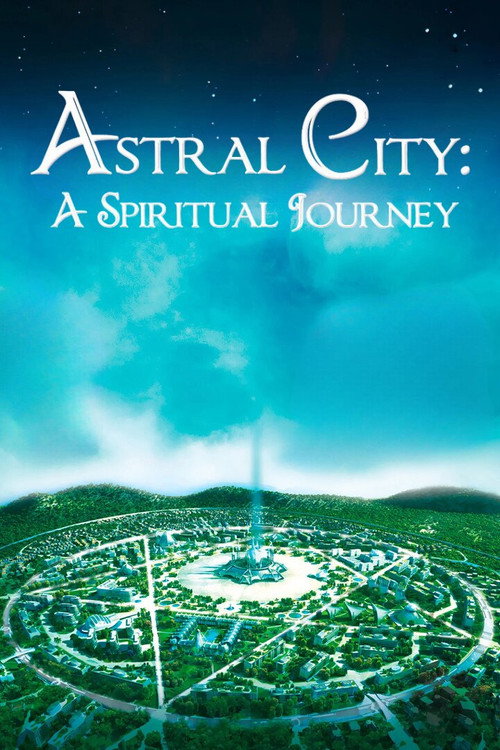
Astral City: A Spiritual Journey is a didactic drama focused on individual moral growth rather than social or identity-based exploration. The narrative structure reinforces a specific metaphysical hierarchy and spiritual order. While the film provides a non-Western perspective on the afterlife, it lacks the intentional challenge of traditional social structures. The emphasis is on the protagonist's adherence to spiritual laws rather than the deconstruction of systemic hierarchies. Ultimately, the film serves as a spiritualist teaching tool, prioritizing metaphysical justice over contemporary identity politics or diverse social representation.
Category Breakdown
The film centers on the protagonist's personal moral journey within a spiritual framework. There are no explicit LGBTQ+ characters or critiques of the assumption that everyone is straight or cisgender.
The story revolves around the male protagonist, Dr. André Luiz, who holds the primary role in driving the narrative. It follows a traditional masculine archetype of struggle, atonement, and redemption.
As a Brazilian production, the film features a diverse cast. However, the narrative emphasizes spiritual states over exploring the overlapping aspects of identity related to race.
The film presents a structured moral hierarchy based on spiritualist doctrine. It replaces materialist views with a traditional system of moral causality and punishment.
The protagonist undergoes a profound metaphysical transformation, but there is no evidence that neurodivergence or physical disability is addressed as a central theme of identity.
Present on Screen
Limited or Absent
Official Synopsis
The selfish Dr. André Luiz dies and awakes in the limbo called "Umbral". After a painful period in the gruesome swamp, he is rescued and brought in a white light to "Nosso Lar" (meaning "Our Home"). He finds a place of harmony, where people live in peace awaiting
2024
2004
2011
1960
2010

2010
2010
2014
No reviews yet. Be the first to share your thoughts on this movie!
Use the rating form above to leave a star rating and optional review.