Apollo 1: Destination Moon
2025
No user ratings available yet
Representation score: 1.2 out of 10
Representation Score
Minimal
2016
TV-MADirector
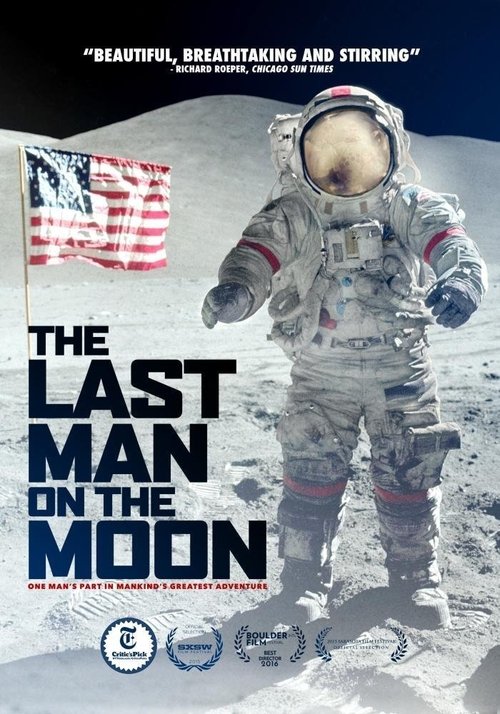
Mark Craig
Runtime
95 minutes
Average Rating
No ratings yetNew Showbiz Analysis
This documentary serves as a historical account of the Apollo era, highlighting the lives of male astronauts. Its focus on a specific group of men reflects the societal norms of the 1960s. While the film offers an engaging look at the era, it does not challenge the traditional narratives and institutional triumphs of the time. The documentary provides a detailed and visually compelling account of Eugene Cernan’s life, but it lacks diverse representation and does not address the systemic exclusions of the period. Overall, the film captures the essence of the Apollo era but does not incorporate perspectives that reflect multiple aspects of identity or diverse voices.
Category Breakdown
The film focuses on the professional lives of male astronauts within the Apollo era. It lacks LGBTQ+ characters or narratives that challenge the traditional social norms of the 1960s.
The documentary focuses on male astronauts and highlights traditional masculine traits such as bravery and risk-taking. It does not provide significant roles for women or explore their perspectives.
The film depicts a NASA era where the astronaut corps was predominantly white and male, reflecting the racial homogeneity of the time.
The documentary emphasizes American technological achievements and national pride, focusing on Western narratives of progress without considering other cultural viewpoints.
There is no evidence regarding the portrayal of physical or neurodivergent disabilities. The focus remains on the physical rigors of test piloting and lunar exploration.
Present on Screen
Limited or Absent
Official Synopsis
The 1960s was an extraordinary time for the United States. Unburdened by post-war reparations, Americans were preoccupied with other developments like NASA, the game-changing space programme that put Neil Armstrong on the moon. Yet it was astronauts like Eugene Cernan who paved the uneven, perilous path to lunar exploration. A test pilot who lived to court danger, he was recruited along with 14 other men in a secretive process that saw them become the closest of friends and adversaries. In this intensely competitive environment, Cernan was one of only three men who was sent twice to the moon, with his second trip also being NASA’s final lunar mission. As he looks back at what he loved and lost during the eight years in Houston, an incomparably eventful life emerges into view. Director Mark Craig crafts a quietly epic biography that combines the rare insight of the surviving former astronauts with archival footage and otherworldly moonscapes.
2025

2007
2020
1989
2003
2022
2019

2012
No reviews yet. Be the first to share your thoughts on this movie!
Use the rating form above to leave a star rating and optional review.