
The Real Right Stuff
2020
No user ratings available yet
Representation score: 2.8 out of 10
Representation Score
Minimal
2019
Not RatedDirector
Tom Jennings
Runtime
94 minutes
Average Rating
No ratings yetNew Showbiz Analysis
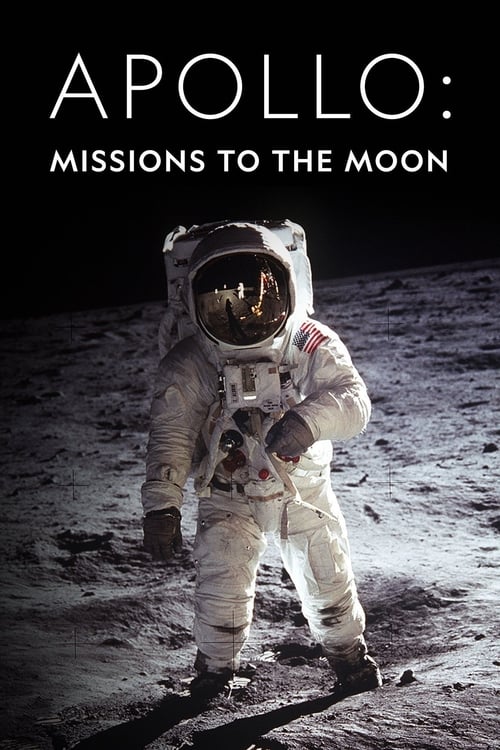
Apollo: Missions to the Moon is a historical documentary that uses only authentic NASA footage from the 1960s. This approach limits the film to the demographic realities of that time. The documentary presents a straightforward, chronological account of the Apollo missions without modern sociological insights. Consequently, it upholds the traditional structures of power, gender, and race prevalent in the 1960s.
Category Breakdown
The documentary does not depict any LGBTQ+ identities or non-straight relationships. It adheres to the social norms and assumptions of the late 1960s.
The film portrays a strict gender hierarchy where male astronauts and engineers hold most of the power. Women are largely absent from key roles.
The subjects are mostly white, reflecting the racial makeup of the 1960s American space program. The film captures the era’s lack of racial diversity accurately.
The documentary highlights Western technological achievement and institutional science. It emphasizes NASA's success as a symbol of national pride and patriotism.
There is no depiction of neurodivergence, physical disabilities, or chronic illnesses. The subjects are shown as exemplifying peak physical and mental performance.
Present on Screen
Limited or Absent
Official Synopsis
National Geographic's riveting effort recounts all 12 crewed missions using only archival footage, photos and audio.
2020

2007
2003
1989
2016

2012
2025
2022
No reviews yet. Be the first to share your thoughts on this movie!
Use the rating form above to leave a star rating and optional review.