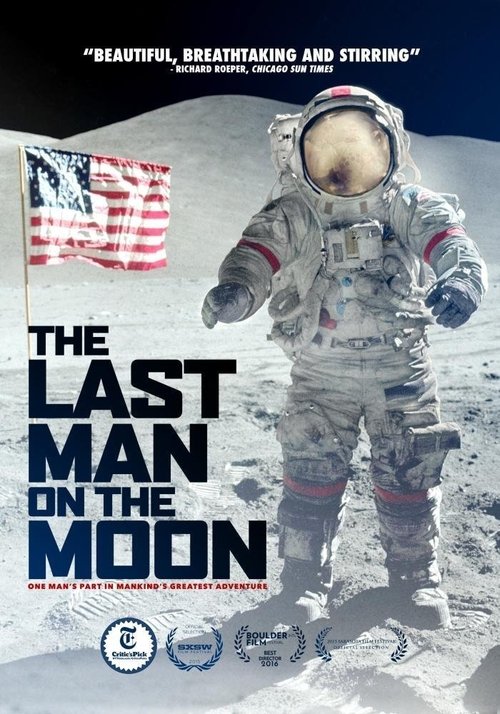
The Last Man on the Moon
2016
No user ratings available yet
Representation score: 1.0 out of 10

Representation Score
Minimal
2007
PGDirector
David Sington
Runtime
109 minutes
Average Rating
No ratings yetNew Showbiz Analysis
This documentary presents a chronological record of the Apollo program, emphasizing archival accuracy over the examination of social norms. Given its adherence to the historical context of the 1960s, the demographic profile remains largely homogeneous. The film captures a specific era of Western technological advancement. While it offers a deep look at human achievement, it does not aim to challenge the social or gender hierarchies of that time. Ultimately, the work celebrates institutional success without serving as a platform for diverse representation or multi-layered identities.
Category Breakdown
The documentary focuses solely on Apollo-era astronauts and NASA personnel. There are no LGBTQ+ characters or non-cisgender identities represented in the archival footage or interviews.
The story centers on mid-20th-century space programs and traditional hierarchies. Archival footage and interviews mainly feature male astronauts, with little inclusion of women in scientific or pilot roles.
The film documents the Apollo missions, featuring a homogeneous demographic profile. Interviewees and primary subjects are predominantly white, reflecting the demographics of the 1960s space race.
The film highlights Western scientific achievements and American institutional progress. It emphasizes a narrative of Western technological exceptionalism without addressing anti-capitalist or anti-Western critiques.
The film does not feature individuals with visible or invisible disabilities as central to the narrative. The focus remains on the physical and cognitive requirements for lunar exploration.
Present on Screen
Limited or Absent
Official Synopsis
Archival material from the original NASA film footage – much of it seen for the first time – plus interviews with the surviving astronauts, including Jim Lovell, Dave Scott, John Young, Gene Cernan, Mike Collins, Buzz Aldrin, Alan Bean, Edgar Mitchell, Charlie Duke and Harrison Schmitt.
2016
1989
2020
2022
2019
1983
2003
2000
No reviews yet. Be the first to share your thoughts on this movie!
Use the rating form above to leave a star rating and optional review.