Failure Is Not an Option
2003
No user ratings available yet
Representation score: 0.3 out of 10
Representation Score
Limited
2014
Director
Zander Weaver, Elliot Weaver
Runtime
52 minutes
Average Rating
No ratings yetNew Showbiz Analysis
The Saturn V Story serves as a historical celebration of one of mankind's greatest technological achievements. It prioritizes archival accuracy and the fulfillment of a presidential mandate over the exploration of social identities. While the film includes women who contributed to the mission, the narrative remains anchored in the male-dominated leadership structures of the 1960s. The documentary functions as a record of a specific era, reflecting the social homogeneity of the time. Ultimately, the film is a tribute to institutional success and national willpower, reinforcing traditional Western perspectives of progress.
Category Breakdown
The film focuses on the technical and institutional history of the 1960s NASA program. There are no visible LGBTQ+ character arcs or stories that challenge traditional assumptions about sexuality and gender identity.
The narrative recognizes both men and women who contributed to the program. However, the representation leans toward traditional documentation without highlighting women in primary leadership roles.
The documentary maintains archival fidelity to a period characterized by systemic racial homogeneity. It functions as a historical record rather than an attempt at intentional racial blending.
The film celebrates Western institutional values and American patriotism. It frames the space race as a triumph of national achievement and scientific progress.
There is no discernible focus on neurodivergence or physical disabilities. The subject matter centers on the rocket's technical operation and the astronauts.
Present on Screen
Limited or Absent
Official Synopsis
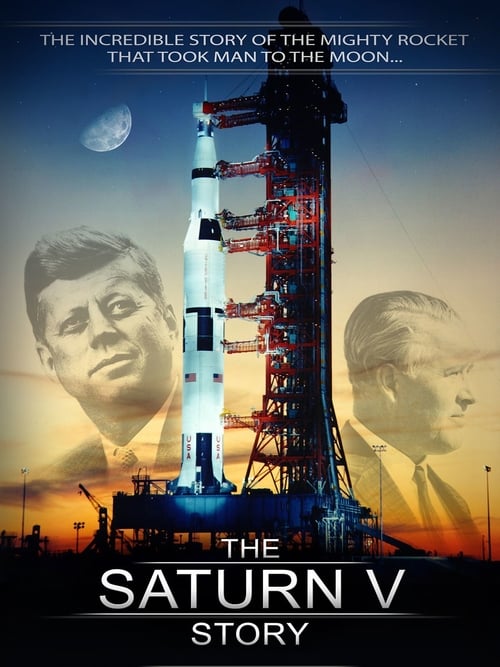
In 1961, no one believed President Kennedy’s pledge to put a man on the moon by the end of the decade. To win the race to space, the USA needed to create a multi-billion dollar space program. Using stunning NASA footage, this inspirational film tells the story of the colossal challenges NASA faced to fulfill Kennedy's pledge. With the accolade of flying 24 men safely to the moon, Saturn V is considered one of mankind's greatest technological achievements. This is the story of the most powerful machine ever built, and the men and women who believed it could fly.
2003

2007
2011

1989
2020
2022
2016

2013
No reviews yet. Be the first to share your thoughts on this movie!
Use the rating form above to leave a star rating and optional review.