Dry Summer
1963
No user ratings available yet
Representation score: 2.6 out of 10
Representation Score
Limited
1972
Director
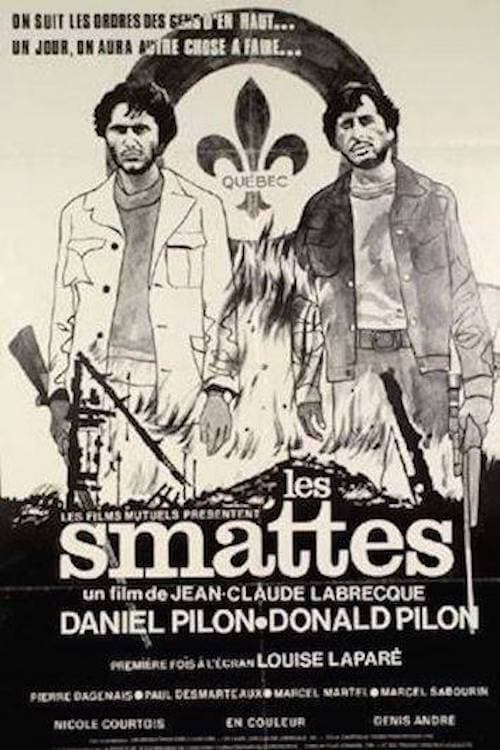
Jean-Claude Labrecque
Runtime
86 minutes
Average Rating
No ratings yetNew Showbiz Analysis
The film primarily explores regional identity and the tension between local populations and centralized authority. Despite a lack of traditional demographic diversity, it excels in cultural critique by questioning the legitimacy of state-driven progress. The narrative uses the protagonists' transformation into outlaws to delve into themes of systemic displacement and moral relativism. This provides a progressive perspective on viewing crime as a form of survival and resistance. Ultimately, the film's strength lies in its critique of state authority, though it does not extensively represent diverse social identities.
Category Breakdown
The film does not include any characters with LGBTQ+ identities or non-cisgender traits. The story focuses on the socio-political conflict between the protagonists and the state.
The story centers around a male-dominated conflict over land ownership and physical resistance. It does not offer much in terms of subverting gender hierarchies or giving significant roles to female characters.
The cast and setting appear ethnically uniform, set in a French Canadian context. Diversity is shown through language and culture rather than through multi-racial representation.
The film strongly critiques state-driven expansionism and institutional dominance. It portrays the protagonists' struggle as a justified resistance against oppressive provincial development.
There is no evidence of characters with visible or invisible disabilities. Disability is not used as a narrative device in this work.
Present on Screen
Limited or Absent
Official Synopsis
In this French Canadian film, when the provincial government tries to move two young farmers from their land to make way for development, the two fight back, accidentally killing a policeman and becoming outlaws in the process.
1963

1939
1958
1960
1979
1970
1984

1979
No reviews yet. Be the first to share your thoughts on this movie!
Use the rating form above to leave a star rating and optional review.