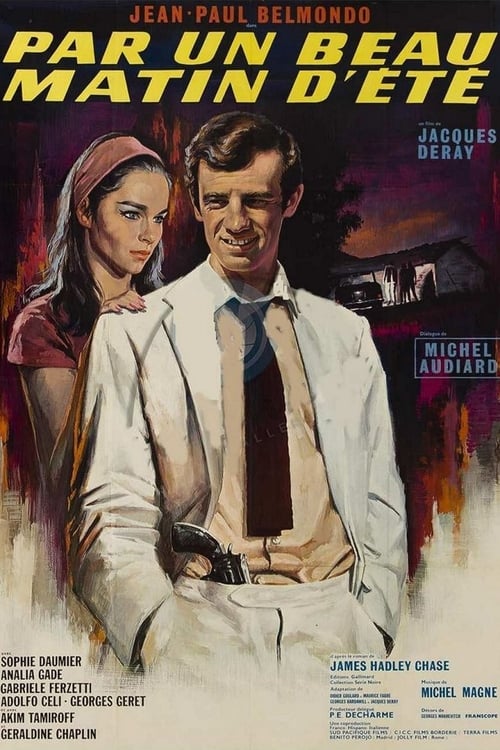
Crime on a Summer Morning
1965
No user ratings available yet
Diversity score: 2.9 out of 10
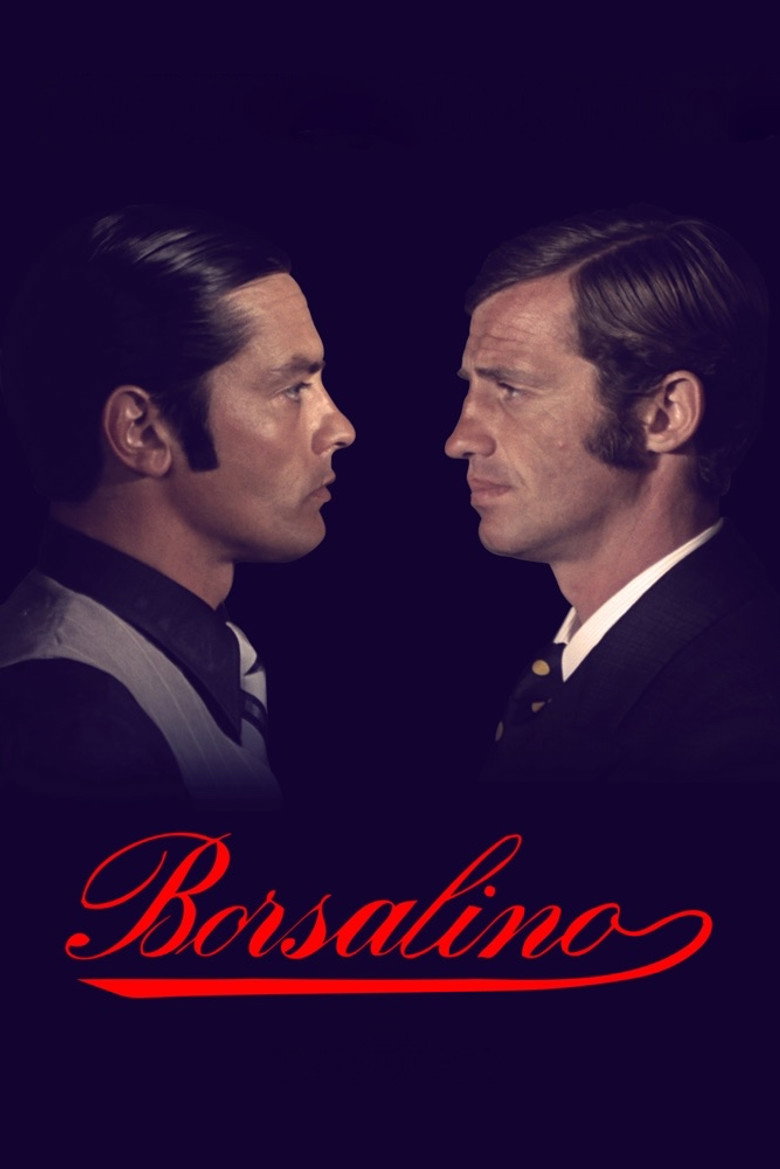
1970
PGDirector
Jacques Deray
Runtime
126 minutes
Average Rating
No ratings yetSynopsis
In 1930 Marseilles two small-time crooks join forces when they meet brawling over a woman. Starting with fixed horse races and fights, they start to find themselves doing jobs for the local gangster bosses. When they decide to go into the business for themselves, their easy-going approach to crime starts to change.
Overall Score
Limited
Category Breakdown
LGBTQ+ Representation
The film centers on a traditional masculine bond between the two protagonists. There is no evidence of non-cisnormative identities or same-sex intimacy.
Gender Representation
The plot is driven almost exclusively by male agency. Female characters function as objects of desire or catalysts for male action rather than independent agents.
Racial & Ethnic Diversity
The cast is predominantly homogeneous, reflecting the demographic realities of 1970s French crime cinema. It lacks diverse ethnic perspectives or color-blind casting.
Religious & Cultural Diversity
The film depicts a world where criminal codes supersede traditional legal institutions. It explores moral relativism within a professionalized criminal underworld.
Disability Representation
There is no significant evidence regarding the portrayal of visible or invisible disabilities within the narrative.
Strengths
Areas for Improvement
AI Analysis
Borsalino is a quintessential genre piece that prioritizes traditional narrative structures and demographic homogeneity. It functions as a study of masculine camaraderie and the mechanics of organized crime. The film operates within the established social and gendered hierarchies of its era. It does not seek to disrupt conventional expectations or introduce intersectional complexities. Ultimately, the work focuses on the internal logic of a specific, traditionalist criminal subculture in 1930s Marseilles.
1965
1963

1973
1976
1967
1957
1958
1972
1983
1961
1952

1959
No reviews yet. Be the first to share your thoughts on this movie!
Use the rating form above to leave a star rating and optional review.