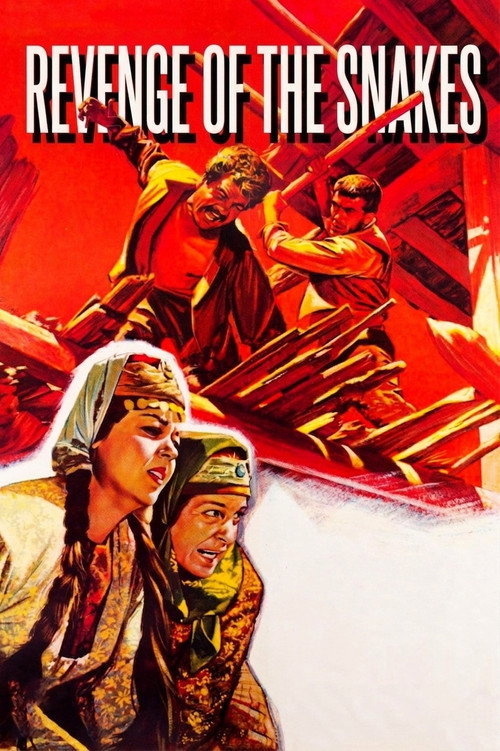
Revenge of the Snakes
1962
No user ratings available yet
Representation score: 6.4 out of 10
Representation Score
Limited
1963
Not RatedDirector
Metin Erksan
Runtime
90 minutes
Average Rating
No ratings yetNew Showbiz Analysis
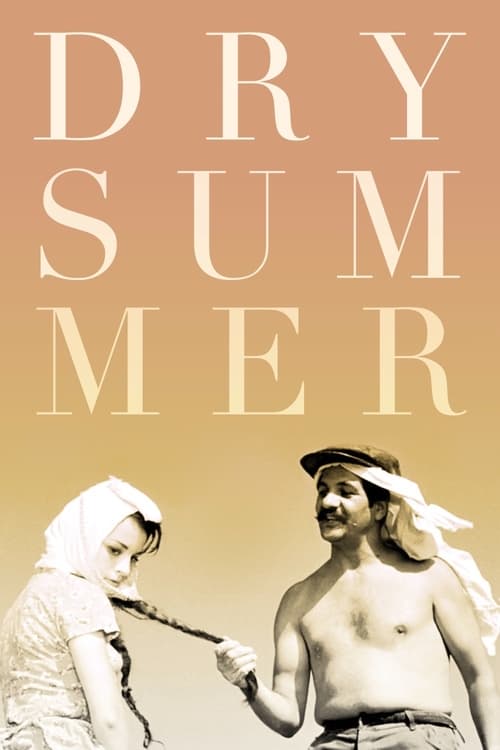
Dry Summer is a profound study of social decay driven by environmental crisis. It excels in its sophisticated critique of systemic scarcity and the erosion of communal ethics, focusing on class-based power dynamics. However, the film is limited by its adherence to traditional social norms of its 1963 setting. Gender and sexual identities are represented in a conventional and patriarchal manner. Ultimately, the film offers a powerful, yet socially narrow, piece of Turkish social realism.
Category Breakdown
The film adheres to traditional mid-century rural norms and does not include any non-straight or non-cisgender identities or stories.
The film portrays characters within a patriarchal system where women's roles are often limited by the struggle for water rights and survival.
The film focuses on a specific, non-Western class-based identity of indigenous peasantry, providing an authentic exploration of this community.
The film critiques resource management and class-based power through moral relativism, showing how scarcity affects traditional communal ethics.
The film does not focus on any visible or invisible disabilities, instead emphasizing socioeconomic status and physical endurance during the drought.
Present on Screen
Limited or Absent
Official Synopsis
A scheming tobacco farmer sets out to ruin his competition by diverting the local water to his own property.
1962

1949
1985
1988
2007

1939
1972
1958
No reviews yet. Be the first to share your thoughts on this movie!
Use the rating form above to leave a star rating and optional review.