Dog Star Man: Part IV
1964
No user ratings available yet
Representation score: 3.8 out of 10
Representation Score
Fair
1964
Director
Stan Brakhage
Runtime
7 minutes
Average Rating
No ratings yetNew Showbiz Analysis
Stan Brakhage’s work prioritizes formalist experimentation and the deconstruction of cinematic language over social identity issues. The film focuses on rhythmic, sensory experiences rather than character-driven narratives. While the film challenges traditional narrative structures and human-centric views, it does not engage with multi-layered identity issues. The narrative centers on elemental forces and biological imagery rather than demographic representation. Ultimately, the film’s value lies in its pursuit of 'pure vision' and its disruption of mainstream norms, though it does not meet modern standards for social equity.
Category Breakdown
The film does not include any explicit depictions of LGBTQ+ characters or romantic relationships. The story revolves around a man and his dog facing natural challenges together.
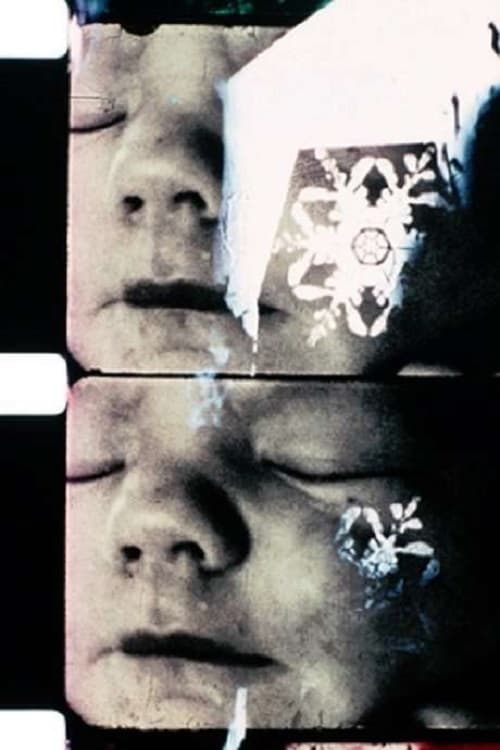
The film centers on a single male character who embodies masculine resilience in the face of nature. The appearance of an infant's face introduces themes of vulnerability and the cycle of life.
The film features a non-specific human subject in a natural setting. There is no indication of a diverse cast or intentional racial representation.
The film eschews conventional Western storytelling in favor of sensory abstraction. It emphasizes elemental and microscopic views over specific religious or cultural traditions.
Physical struggle and falling in the snow serve as metaphors for human frailty. The film does not specifically address neurodivergence or physical disabilities.
Present on Screen
Limited or Absent
Official Synopsis
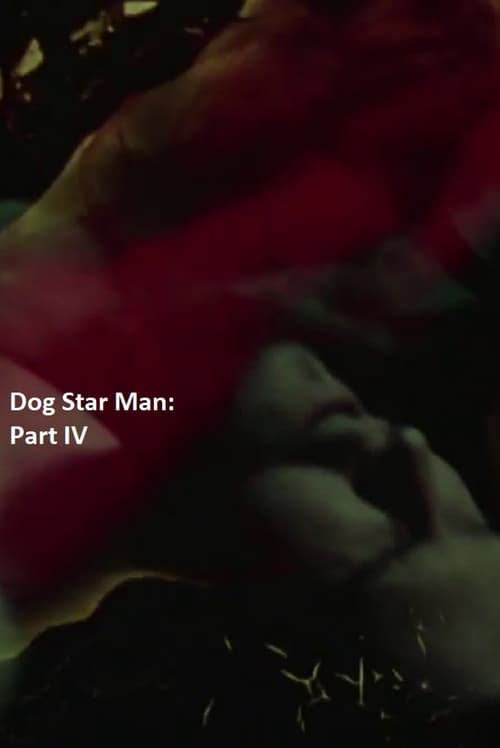
A man, accompanied by a dog, struggles through snow on a mountain side. We see film stock blister; drawn square shapes appear. Then, we see an infant's face. The images of struggling climber, baby, blurred film stock, large snow flakes, and what may be microscopic details of matter are superimposed on each other, one dominating the frame briefly to be replaced by another. As the man falls in the snow and tries to regain his feet, the baby continues to appear, first with eyes closed. Alternately, images rush by - montages of paper cutouts and life under a microscope.
1964
1964
1962
1963
1968
1965
1969
1965
No reviews yet. Be the first to share your thoughts on this movie!
Use the rating form above to leave a star rating and optional review.