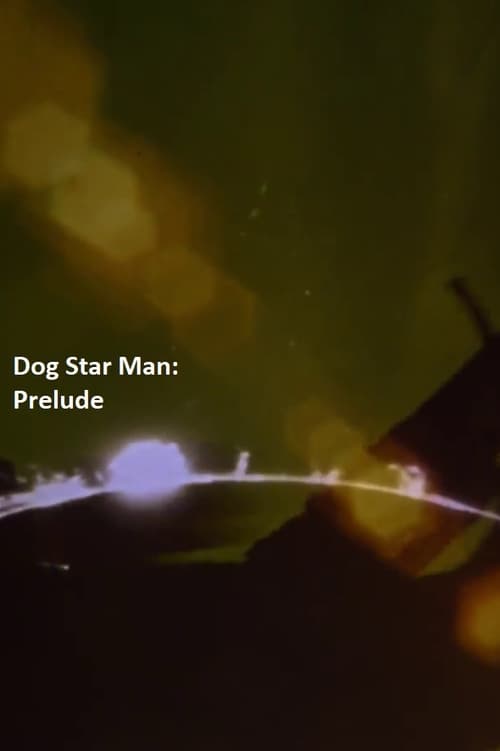
Prelude: Dog Star Man
1962
No user ratings available yet
Representation score: 0.0 out of 10
Representation Score
Minimal
1965
Director
Stan Brakhage
Runtime
78 minutes
Average Rating
No ratings yetNew Showbiz Analysis
Dog Star Man is a landmark of experimental cinema that prioritizes the deconstruction of the medium itself. Its low diversity score stems from its highly specific, personal, and non-narrative nature rather than an active promotion of traditional hierarchies. The film operates in a vacuum of social realism, focusing on the intersection of the human eye and the celestial. It disrupts traditional filmmaking through aesthetic formalism rather than through the lens of identity politics. Ultimately, the work is a phenomenological exploration of sight and cosmos, which leaves little room for the representation of social identities or power dynamics.
Category Breakdown
The film is a non-narrative montage that focuses on visual rhythm and cosmic imagery. Since it lacks dialogue or character-driven plots, there are no depictions of sexual orientation or gender identity.
The work features the director’s wife and children within a naturalistic framework. It lacks traditional character arcs, resulting in a neutral stance that neither challenges nor reinforces gender hierarchies.
The visual content focuses on the director’s immediate family and the natural world. The cast is homogeneous, reflecting the personal, non-fiction nature of the work without broad diversity.
The film explores light and the cycle of life through a formalist lens. It avoids religious morality by eschewing social structures, though it does not actively promote anti-Western narratives.
The film explores 'untutored vision' and the mechanics of perception. However, it does not explicitly depict physical or neurodivergent disabilities as character traits or plot devices.
Present on Screen
Limited or Absent
Official Synopsis
Experimental film following a cycle of seasons as well as the stretch of a single day as a man and his dog slowly ascend a mountain.
1962

1962
1965

1932
1964
1963

1981
1954
No reviews yet. Be the first to share your thoughts on this movie!
Use the rating form above to leave a star rating and optional review.