
Damned If You Don't
1987
No user ratings available yet
Representation score: 6.0 out of 10
Representation Score
Fair
1968
XDirector
Jack Bravman
Runtime
60 minutes
Average Rating
No ratings yetNew Showbiz Analysis
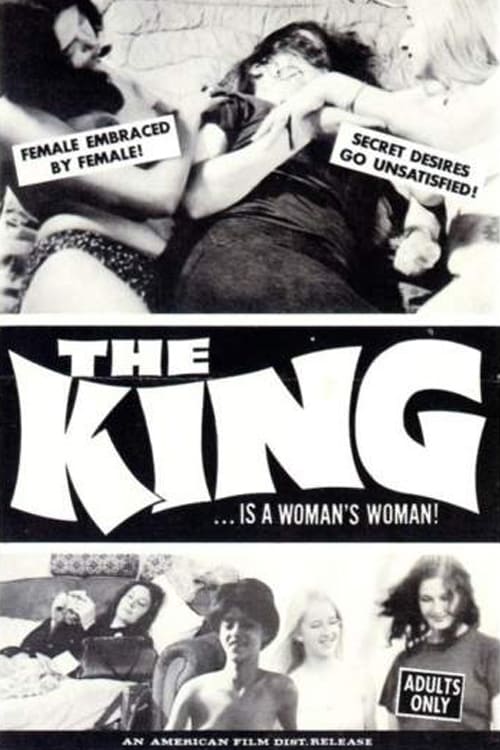
The King (1968) serves as a provocative disruption of the straight-centered status quo of its era. By placing lesbian experiences at the heart of the drama, the film challenges the restrictive social and moral frameworks prevalent in the late 1960s. While the film succeeds in centering women's ability to drive the story and identity, the lack of information regarding racial, ethnic, or disability representation limits a full assessment of its diversity. The narrative's strength lies in its subversion of traditional gender and sexual norms through a focused, female-centric lens. Ultimately, the film functions as a cultural critique, using underrepresented sexual identities to push against the dominant social structures of the time.
Category Breakdown
The film focuses entirely on exploring lesbianism, disrupting mid-century cinematic expectations by prioritizing non-straight relationships and female-centric intimacy.
The story breaks from traditional hierarchies by centering a woman's ability to act and perspective. It moves away from submissive feminine clichés by focusing on a woman's own identity and desires.
There is no evidence regarding the racial or ethnic composition of the cast or setting. The available information does not provide details on character backgrounds.
By centering a historically stigmatized identity, the film critiques the social and moral frameworks of the late 1960s. It challenges the singular moralities promoted by dominant Western institutions.
The work provides no information regarding the depiction of physical or neurodivergent characters. No details are available concerning disability representation.
Present on Screen
Limited or Absent
Official Synopsis
A woman relates her many experiences with lesbianism.
1987
1931

2003

1969

1969
1974
1987

1985
No reviews yet. Be the first to share your thoughts on this movie!
Use the rating form above to leave a star rating and optional review.