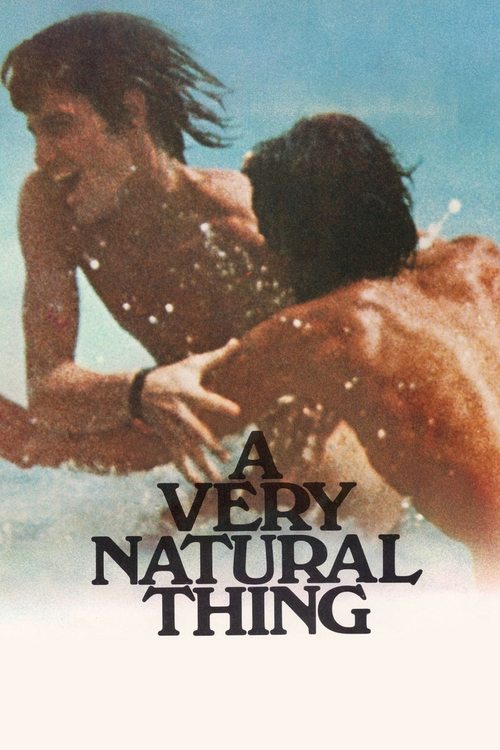
A Very Natural Thing
1974
No user ratings available yet
Representation score: 5.5 out of 10
Representation Score
Fair
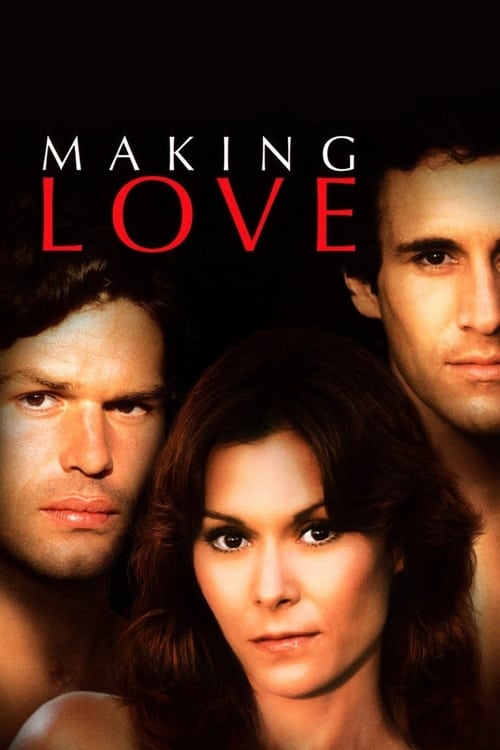
1982
RDirector
Arthur Hiller
Runtime
113 minutes
Average Rating
No ratings yetNew Showbiz Analysis
Arthur Hiller’s drama stands out as a notable early-80s effort to deconstruct traditional domesticity. By placing a same-sex romantic relationship at the heart of the plot, the film disrupts the era's conventional focus on monogamous heterosexual couples. The film's strength lies in its refusal to uphold Western domestic ideals as the ultimate standard of stability. Instead, it frames the dissolution of these structures as a necessary path to authentic selfhood. However, the film's impact is limited by its lack of racial and ethnic diversity. While it successfully challenges straight-centered expectations, it remains confined to a narrow, middle-to-upper-class urban demographic.
Category Breakdown
The film places same-sex relationships at the center of the plot, giving significant weight to characters exploring their identities. These characters are not relegated to minor roles but are integral to the main storyline.
The story challenges traditional gender roles by emphasizing the internal complexity and ability to act of female characters. It suggests that traditional domestic roles can be confining.
The cast and setting are predominantly homogeneous, focusing on a narrow demographic. The film does not significantly explore racial or ethnic diversity.
The narrative portrays the breakdown of traditional social contracts as a journey toward individual authenticity. It prioritizes personal identity over the preservation of the nuclear family structure.
There is no significant focus on visible or invisible disabilities within the narrative.
Present on Screen
Limited or Absent
Official Synopsis
A perfect typical LA couple find their happily-ever-after life broken when the husband confronts his long-repressed attraction for other men.
1974

1985
1989
1988
1998

1965
2002
2001
No reviews yet. Be the first to share your thoughts on this movie!
Use the rating form above to leave a star rating and optional review.