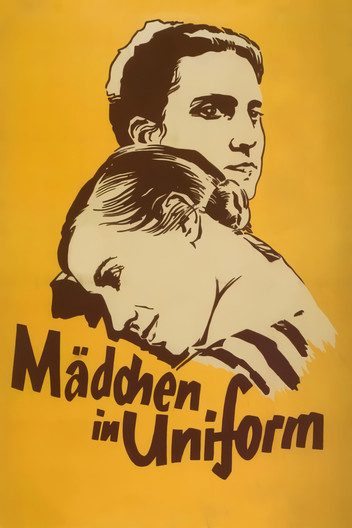
Mädchen in Uniform
1931
No user ratings available yet
Representation score: 5.3 out of 10

Representation Score
Fair
1968
Not RatedDirector
Radley Metzger
Runtime
118 minutes
Average Rating
No ratings yetNew Showbiz Analysis
Radley Metzger’s film offers a nuanced exploration of human desire that breaks the cinematic boundaries of the 1960s. By centering queer intimacy and female autonomy, it stands out as a progressive work. However, its impact is limited due to a lack of racial and disability representation, reflecting the historical and class-based context of the Swiss boarding school setting. Ultimately, the film achieves high progressive value by placing non-straight experiences at the heart of the cinematic experience, while still having a narrow demographic focus.
Category Breakdown
The film focuses on the evolving romantic relationship between Thérèse and Isabelle, presenting a non-straight relationship as the core of the plot. This approach highlights female desire as the main driver of the story.
By emphasizing the female perspective, the film challenges traditional gender roles. The characters actively shape their own erotic experiences rather than being passive recipients of male desire.
The production features a homogeneous European cast consistent with its specific socioeconomic setting. There is a notable lack of multi-layered racial representation or characters from non-white backgrounds.
The film emphasizes personal freedom and psychological authenticity over strict religious or institutional rules. It dismantles societal constraints by focusing on the intimate dynamics of sexual awakening.
The film does not include any characters with visible or invisible disabilities, nor does it use such characters as plot devices.
Present on Screen
Limited or Absent
Official Synopsis
Two young girls experience awakening sexuality in the heated atmosphere of a Swiss girls' boarding school.
1931

1969

1978

1994

1973

1978

2007

1951
No reviews yet. Be the first to share your thoughts on this movie!
Use the rating form above to leave a star rating and optional review.