
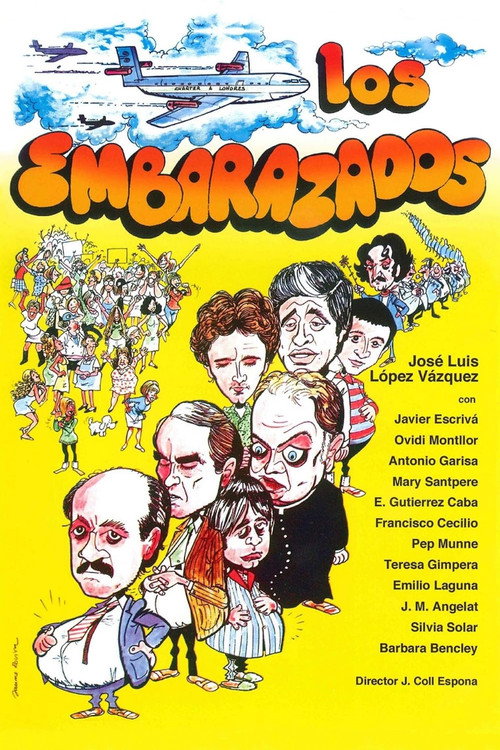
Ni te cases ni te embarques
1982
No user ratings available yet
Representation score: 2.7 out of 10
Representation Score
Limited
1982
Director
Joaquín Coll Espona
Average Rating
No ratings yetNew Showbiz Analysis
Los embarazados is shaped by its specific historical and regional setting. As a 1982 Spanish comedy, it emphasizes traditional humorous situations over disrupting established hierarchies or representing diverse identities. The film's structure reflects the demographic and social norms of the early post-transition era. It relies heavily on conventional comedic formulas rather than narrative subversion. Overall, the film operates within the constraints of its time, offering limited exploration of diverse identities or institutional critiques.
Category Breakdown
The film doesn't show any clear signs of characters who don't identify with the gender they were assigned at birth. It seems to follow the typical comedic styles of Spain in the early 1980s, which didn't include intentional stories about LGBTQ+ characters.
The story hints at a possible challenge to traditional gender roles through humor. However, it's not clear if this actually disrupts gender hierarchies or just relies on silly comedic situations.
The cast probably mirrors the demographic makeup of the time. The story focuses on Mediterranean cultures with little racial diversity.
The work follows the social norms of Spain after the transition period. It focuses on situational absurdity rather than questioning religious or Western cultural institutions.
There is no information available regarding the inclusion of neurodivergent characters or individuals with physical disabilities.
Present on Screen
Limited or Absent
1982
1984
1982
1988
1978
1988
1981

1982
No reviews yet. Be the first to share your thoughts on this movie!
Use the rating form above to leave a star rating and optional review.