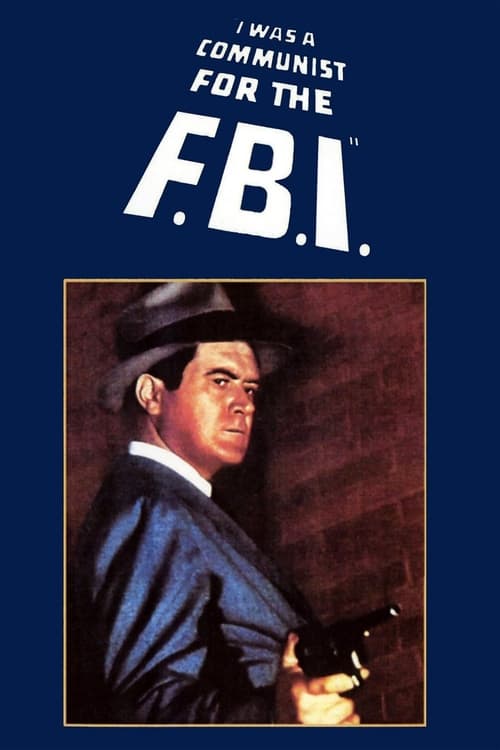
I Was a Communist for the FBI
1951
No user ratings available yet
Representation score: 0.3 out of 10
Representation Score
Limited
1988
PGDirector
Peter Yates
Runtime
101 minutes
Average Rating
No ratings yetNew Showbiz Analysis
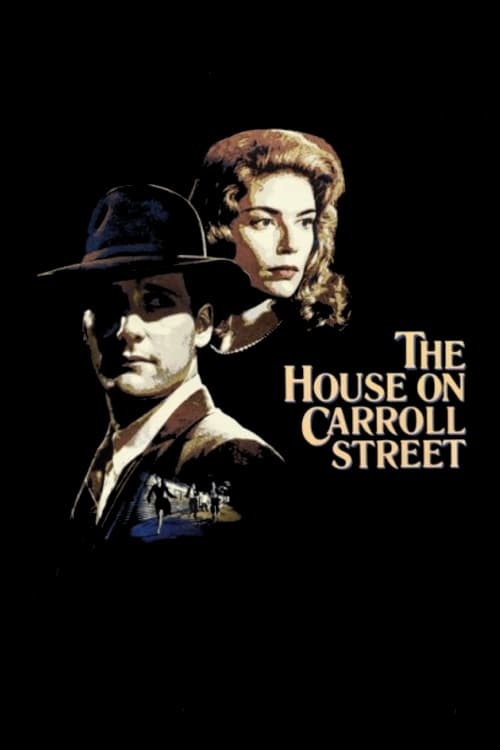
The House on Carroll Street functions as a traditional character drama that prioritizes individual psychological struggle over diverse representation. The narrative structure relies on established social hierarchies and conventional storytelling techniques. While the film critiques historical institutional power through personal trauma, it frames this as a personal issue rather than a systemic social commentary. The casting and setting remain largely homogeneous. Ultimately, the film operates within the standard cinematic boundaries of its era, lacking the intentionality needed to disrupt or diversify traditional Eurocentric and conventions that assume everyone is straight.
Category Breakdown
The film does not include characters with non-conforming gender identities or stories that question the assumption that everyone is straight. It follows the conventional social norms of its 1988 production context.
The male protagonist plays a central role in driving the story. An elderly woman starts the plot, but the narrative focuses on the male character's experience of grief and obsession.
The film portrays Brooklyn through a primarily white, Anglo-Saxon lens. The cast does not reflect a diverse or multi-ethnic demographic, maintaining a homogeneous social environment.
The film explores political trauma related to HUAC through individual obsession rather than systemic critique. It does not prioritize secularism or actively promote anti-Western sentiments.
Psychological distress is treated as a thriller element rather than an exploration of neurodivergence. No characters with disabilities are given central roles or meaningful representation.
Present on Screen
Limited or Absent
Official Synopsis
A reporter, fired after refusing to give names to a 1951 House Un-American Activities Committee, takes a part-time job as companion to an old lady. While working she overhears a noisy argument in the neighboring house, being conducted largely in German and involving her HUAC prosecutor. She begins to investigate, enlisting the help of the FBI Agent initially detailed to surveil her.
1951
1951

1989
1990

1950
1970
1952
1991
No reviews yet. Be the first to share your thoughts on this movie!
Use the rating form above to leave a star rating and optional review.