Caught
1949
No user ratings available yet
Representation score: 4.3 out of 10
Representation Score
Fair
1943
Director
Julio Bracho
Runtime
108 minutes
Average Rating
No ratings yetNew Showbiz Analysis
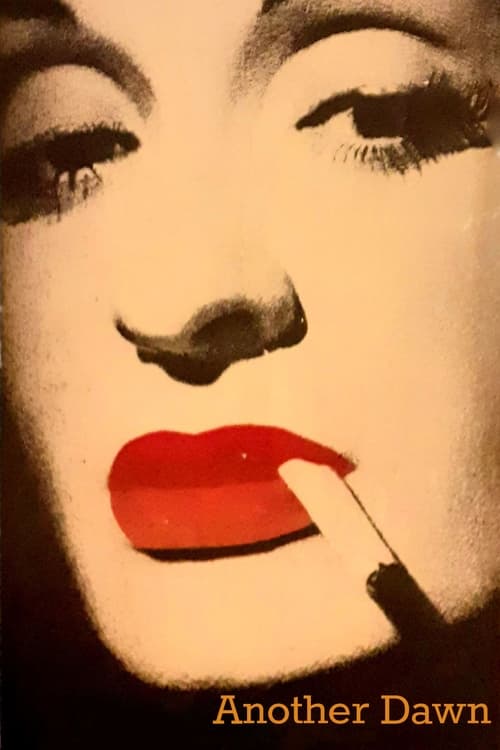
Another Dawn stands out by moving beyond the typical romantic clichés of the 1940s. Instead, it presents a high-stakes descent into a political underworld driven by a woman seeking intellectual and social purpose. The film challenges the era's social hierarchies by centering a female lead engaged with union activism and political instability. However, while it provides a strong regional perspective and social critique, it lacks specific multi-layered depth, particularly in representing LGBTQ+ identities or disability.
Category Breakdown
The film does not include any explicit references to LGBTQ+ identities or same-sex relationships. There is no representation of queer characters or dynamics.
The female protagonist rejects passive roles by actively seeking purpose through political involvement and pursuing a former relationship.
As a Mexican Golden Age production, the film centers a non-Anglo-Saxon perspective. It focuses on regional identity rather than Hollywood standards.
The story critiques systemic power through themes of class struggle and union activism. It explores the tension between institutional corruption and personal morality.
There is no evidence of physical or neurodivergent characters in the film. The narrative focuses on political and romantic conflicts.
Present on Screen
Limited or Absent
Official Synopsis
The disaffected wife of a failed civil servant, is thrilled to re-encounter Octavio, a former lover who is now a union activist on the run from a corrupt politician. Hoping to help him, she descends into the Mexican underworld, where she finds a purpose-and a thrill-missing from her married life.
1949
1946
1954
1947
1962
1949
1944
1953
No reviews yet. Be the first to share your thoughts on this movie!
Use the rating form above to leave a star rating and optional review.