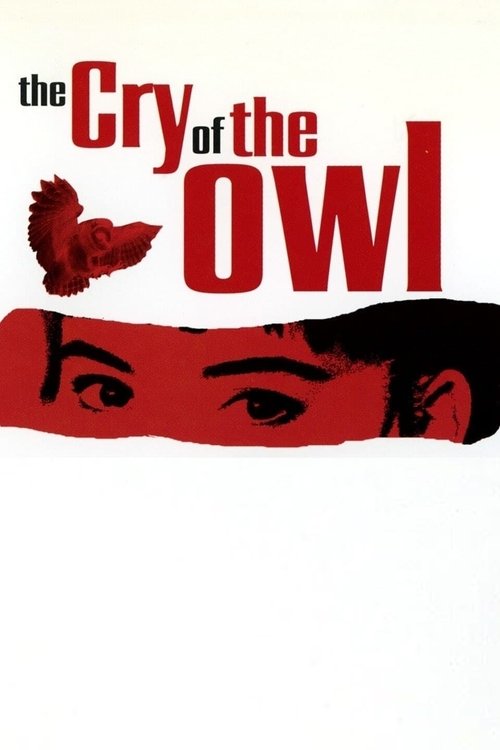
The Cry of the Owl
1987
No user ratings available yet
Representation score: 2.5 out of 10
Representation Score
Limited
1962
PG-13Director
Alain Cavalier
Runtime
104 minutes
Average Rating
No ratings yetNew Showbiz Analysis
Alain Cavalier’s work focuses on psychological subversion and existentialist tension rather than systemic demographic representation. The film's primary interest lies in the volatility of individual character arcs and the breakdown of political stability. While the film successfully deconstructs traditional moral certainties through situational ethics, it remains tied to the gendered and racial norms of its era. The narrative prioritizes the deconstruction of authority over diverse representation. Ultimately, the film is a study of political radicalism and romantic instability. It functions as a period piece that explores shifting social values through a narrow, homogeneous lens.
Category Breakdown
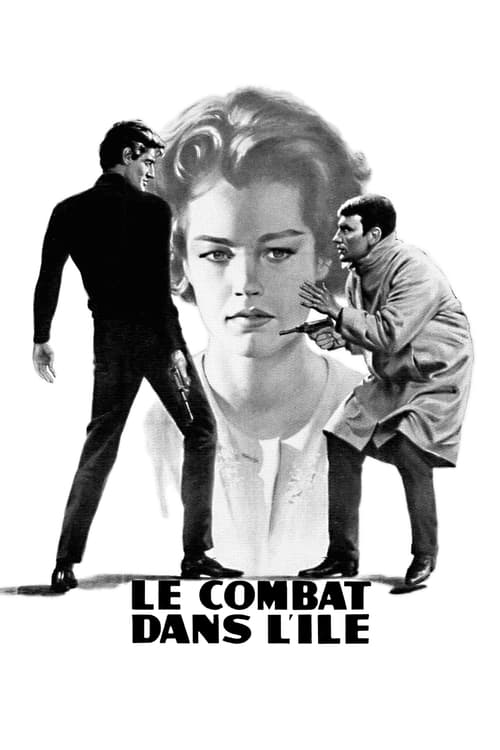
The film follows traditional heterosexual structures, focusing on a romantic triangle between Clément, Anne, and Paul. There is no indication of any queer subtext.
The story centers on masculine aggression and male-dominated politics. Anne drives the emotional conflict, but her role is largely reactive to the actions of the male characters.
The cast is predominantly white and Anglo-European, reflecting the social norms of 1960s French cinema. The film operates within a homogeneous social framework.
The story avoids simple moral dichotomies by presenting a right-wing extremist against a pacifist. This approach leans into moral ambiguity and existentialist uncertainty.
There are no characters with visible or invisible disabilities serving as central figures or plot devices in this work.
Present on Screen
Limited or Absent
Official Synopsis
The charismatic, surly son of a wealthy industrialist, Clément, leads a double life as a member of a right-wing extremist organization. When he’s ratted out after a failed assassination attempt on a prominent politician, Clément and his long-suffering wife Anne flee Paris to the idyllic country home of his childhood friend, pacifist print-maker Paul. As affection blossoms between Paul and Anne, the emotional, as well as political tensions, soar and eventually explode.
1987
1963

1943
1938
1954
1974

1987
2007
No reviews yet. Be the first to share your thoughts on this movie!
Use the rating form above to leave a star rating and optional review.