
The Tamarind Seed
1974
No user ratings available yet
Diversity score: 2.5 out of 10
1954
NRDirector
Frank Lloyd
Runtime
90 minutes
Average Rating
No ratings yetSynopsis
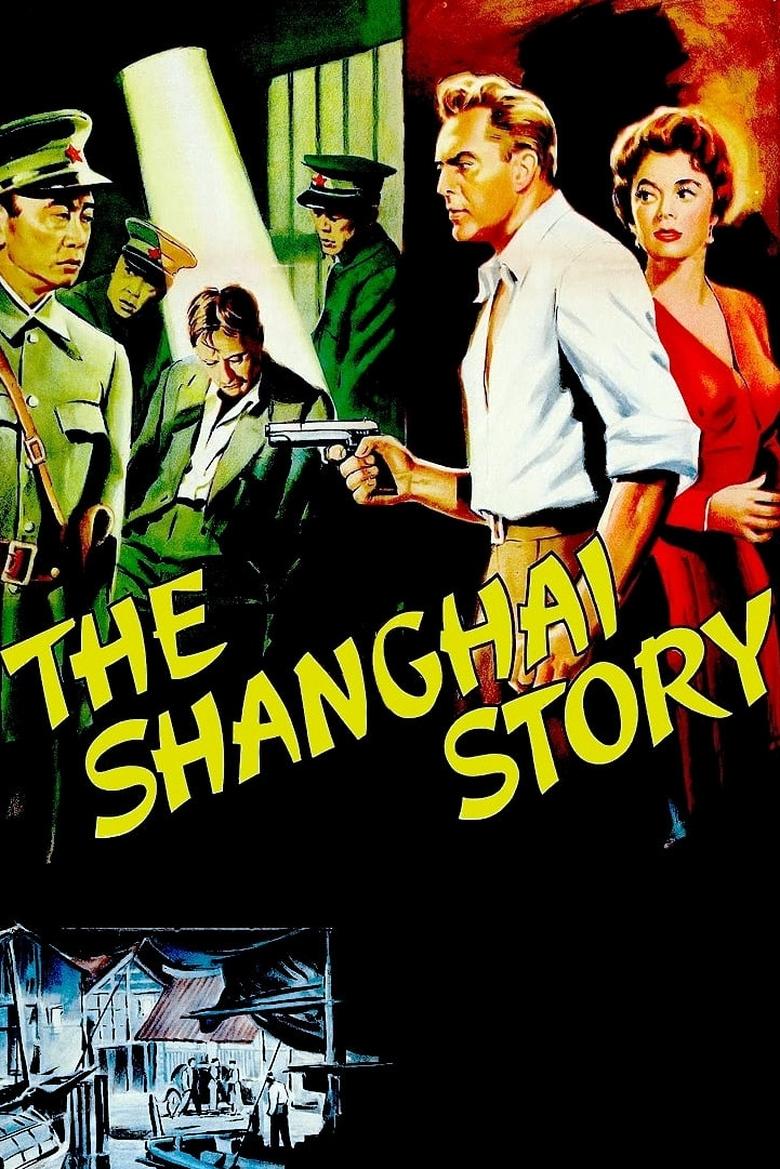
Shanghai, China. The last expatriate Westerners still living in the city are imprisoned in a hotel by the communist authorities in order to find the spy hiding among them.
Overall Score
Limited
Category Breakdown
LGBTQ+ Representation
The film contains no identifiable LGBTQ+ characters or non-heteronormative identities. It operates within the rigid social frameworks of 1950s Hollywood, focusing exclusively on traditional romantic tensions.
Gender Representation
The narrative adheres to mid-century archetypes where female agency is often tethered to the male protagonist. It reinforces standard period-appropriate gender roles rather than subverting them.
Racial & Ethnic Diversity
A central pairing of a Chinese protagonist and a Western woman provides some ethnic intersectionality. However, the perspective remains filtered through a Western lens, utilizing race-bent casting common to the era.
Religious & Cultural Diversity
The story uses 1930s Shanghai as a backdrop for a standard crime drama. It reinforces traditional Western storytelling values rather than critiquing Western institutions or exploring local agency.
Disability Representation
There are no visible or invisible disabilities portrayed within the primary character arcs. Characters are defined by their criminal or romantic affiliations instead.
Strengths
Areas for Improvement
AI Analysis
The Shanghai Story is a conventional mid-century drama that prioritizes established Hollywood tropes over social subversion. While the film introduces a degree of ethnic intersectionality through its central cross-cultural relationship, it remains firmly rooted in a Western-centric perspective. Gender roles and social hierarchies follow standard 1950s patterns, offering little deviation from the era's typical narrative structures. The film functions primarily as a crime-romance, using its setting to facilitate plot rather than to explore nuanced cultural or social identities. Ultimately, the lack of representation for LGBTQ+ identities and disabilities, combined with a reliance on traditional gender archetypes, results in a low diversity score.
1974

1954

1950

1942

1949
1951
1957
1944
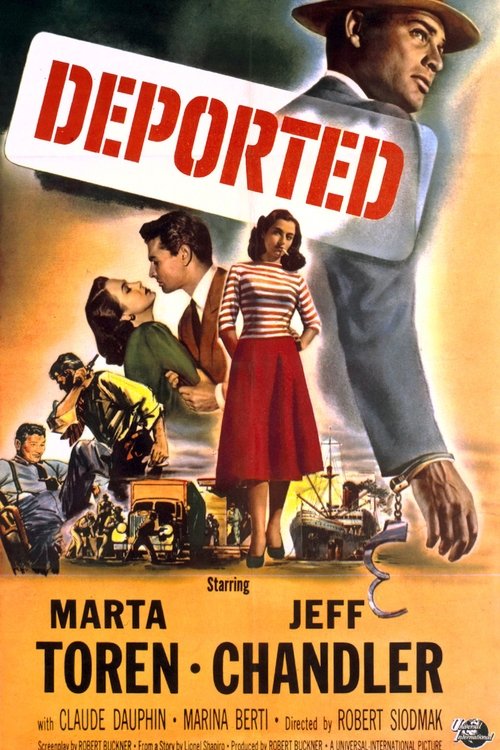
1950

1953

1953
No reviews yet. Be the first to share your thoughts on this movie!
Use the rating form above to leave a star rating and optional review.