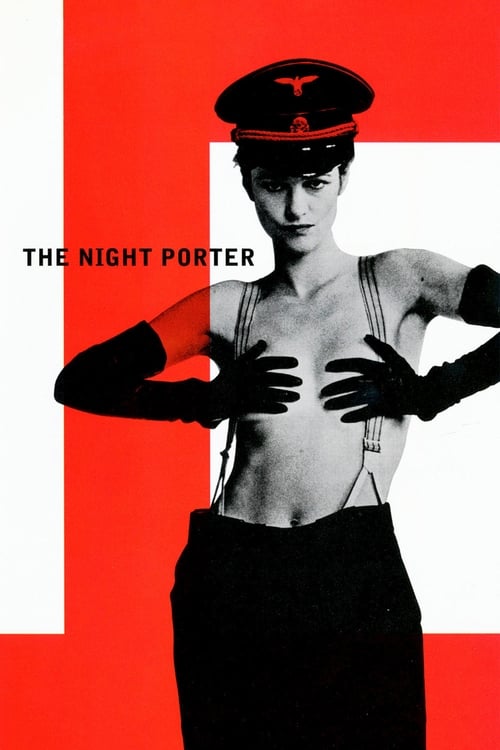
The Night Porter
1974
No user ratings available yet
Representation score: 8.0 out of 10
Representation Score
Fair
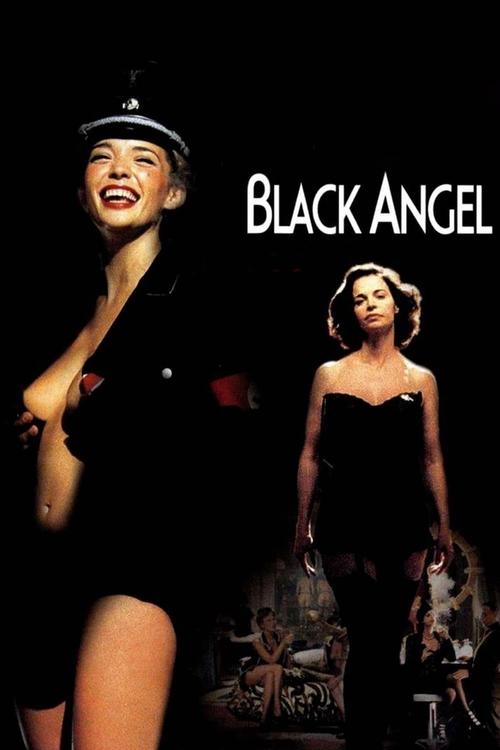
2002
UnratedDirector
Tinto Brass
Runtime
128 minutes
Average Rating
No ratings yetNew Showbiz Analysis
Black Angel is a period drama that prioritizes aesthetic eroticism and individual passion over systemic social representation. It functions primarily as a character study of desire amidst political upheaval. The film offers a moderate subversion of gendered modesty by centering female desire, yet it remains anchored in a historically homogeneous and straight-centered framework. It focuses on the tension between private impulse and rigid societal structures. Ultimately, the work lacks intentional inclusion of diverse identity groups, adhering strictly to the demographic constraints of its mid-20th-century European setting.
Category Breakdown
The film focuses almost exclusively on heterosexual relationships and lacks any representation of LGBTQ+ identities or critiques of heterosexuality. It centers traditional romantic pairings without exploring alternative orientations.
Livia drives the narrative through her sexual autonomy and transgressions, challenging the submissive wife stereotype. However, her character remains subject to objectification within a male-dominated perspective.
The cast is predominantly white, reflecting the specific European historical context of post-war Italy and Germany. The film does not engage with racial or ethnic diversity.
The narrative prioritizes individualistic desires over traditional religious or patriotic morals. While it explores moral relativism, it lacks a systemic critique of Western or capitalist institutions.
There is no discernible representation of physical, sensory, or neurodivergent disabilities. The film does not utilize disability as a thematic element or plot device.
Present on Screen
Limited or Absent
Official Synopsis
Livia, the attractive wife of a high-ranking Ministry of the People's Republic official, is accompanied by Ugo, a lawyer, her admirer and her husband's spy, to Venice. There, she is to meet her lover Helmut Schultz, a lieutenant in the infamous SS with whom she is having a passionate love affair. During the journey, Livia retraces the steps of her sexual aberration. But a surprise awaits her in the lagoon city.
1974
1954

1994

1983

1977
1943

2015
1976
No reviews yet. Be the first to share your thoughts on this movie!
Use the rating form above to leave a star rating and optional review.