The Return of Casey Jones
1933
No user ratings available yet
Diversity score: 1.7 out of 10
1987
PGDirector
Jay Russell
Runtime
103 minutes
Average Rating
No ratings yetSynopsis
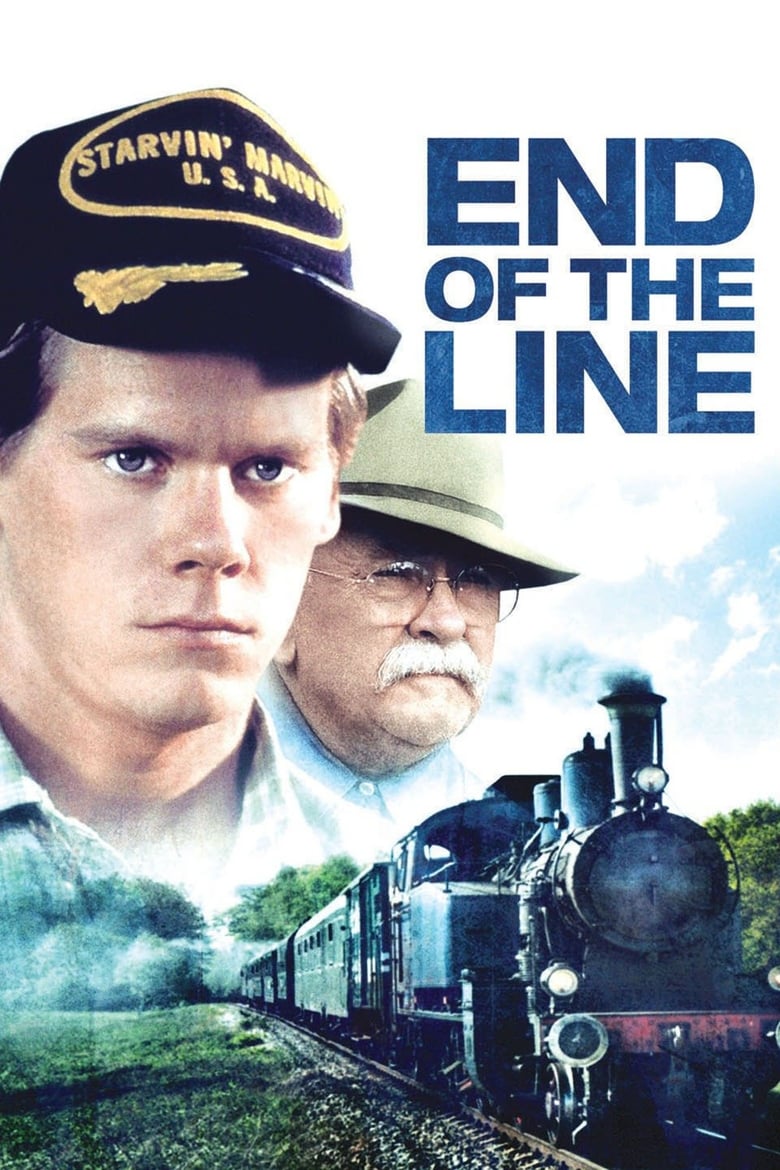
When the closure of a railway is announced, employees commandeer a locomotive to get to corporate headquarters and confront the president.
Overall Score
Limited
Category Breakdown
LGBTQ+ Representation
The film operates within the heteronormative constraints typical of 1987 action cinema. There is no evidence of non-cisnormative gender identities or narratives that critique heteronormativity.
Gender Representation
The narrative focuses on traditional masculine archetypes associated with industrial labor and physical confrontation. While women may exist in the workforce, the structural agency leans toward masculine leadership.
Racial & Ethnic Diversity
The story likely centers on a homogeneous working-class demographic. There is no indication of race-bent casting or efforts to disrupt Anglo-Saxon centricity in the depiction of the railway employees.
Religious & Cultural Diversity
The film offers a critique of corporate capitalism and centralized authority. This anti-capitalist lens provides cultural depth, though it focuses on labor conflict rather than broader systemic identity politics.
Disability Representation
There is no discernible evidence regarding the inclusion or portrayal of characters with physical or neurodivergent disabilities.
Strengths
Areas for Improvement
AI Analysis
End of the Line is a product of its era, functioning as a traditional late-80s action-drama. It relies heavily on established genre frameworks rather than attempting to subvert social hierarchies or provide intersectional narratives. The film finds its strength in its critique of corporate power, offering a moderate look at the struggle between labor and centralized authority. However, this thematic focus does not translate into meaningful representation for marginalized groups. Ultimately, the film lacks the intentionality required for diverse storytelling, remaining anchored in the homogeneous and masculine-coded conventions of 1980s industrial cinema.
1933
1977

1981
1977

1969
1999

2019

1999

2005

1998

1977

1979
No reviews yet. Be the first to share your thoughts on this movie!
Use the rating form above to leave a star rating and optional review.