Bullet to Beijing
1995
No user ratings available yet
Representation score: 2.3 out of 10
Representation Score
Fair
1977
Director
Eldor Urazbaev
Runtime
93 minutes
Average Rating
No ratings yetNew Showbiz Analysis
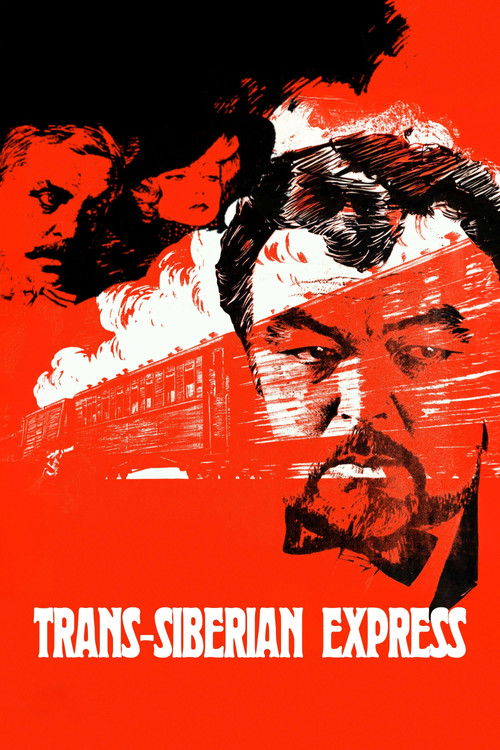
Trans-Siberian Express is a genre-driven political thriller that reflects the state-centric storytelling of 1970s Soviet cinema. Its diversity primarily stems from its international espionage premise rather than intentional inclusive character development. The film benefits from a multi-ethnic cast necessitated by the Japanese-Soviet conflict, providing a level of racial and ethnic interaction that sets it apart from more localized dramas. However, the film struggles with representation in other areas. It adheres to traditional gender hierarchies and lacks any visible LGBTQ+ or disability-focused narratives, remaining firmly rooted in the social norms of its era.
Category Breakdown
The film does not include any explicit LGBTQ+ characters or narratives. The plot revolves around professional espionage and geopolitical conflicts within conventional social structures.
The narrative focuses on male-dominated power hierarchies. Female characters likely play roles defined by the high-stakes political environment and traditional archetypes.
A Japanese-Soviet trade conflict serves as a backdrop for cross-cultural interactions. However, ethnic identities might function more as geopolitical symbols rather than deeply multi-layered portrayals.
The story emphasizes state-driven interests and institutional stability. Themes of international trade and assassination highlight systemic political maneuvers over individual critiques.
There is no discernible evidence regarding the portrayal of physical or neurodivergent disabilities in this work.
Present on Screen
Limited or Absent
Official Synopsis
An espionage thriller set aboard the train of the title. A group of agents try to thwart the Japanese-Soviet trade agreement by assassinating a Japanese businessman.
1995

1974

1981

1977
1984
1999
1979

1973
No reviews yet. Be the first to share your thoughts on this movie!
Use the rating form above to leave a star rating and optional review.