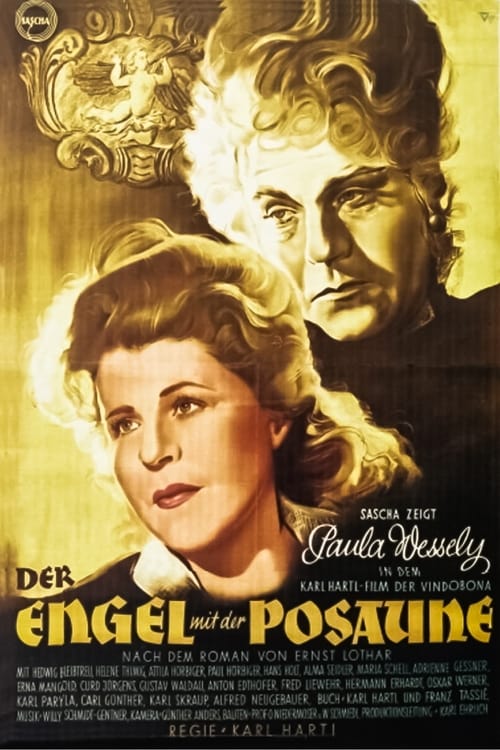
The Angel with the Trumpet
1948
No user ratings available yet
Representation score: 1.8 out of 10

Representation Score
Limited
1947
Director
Helmut Käutner
Runtime
111 minutes
Average Rating
No ratings yetNew Showbiz Analysis
Helmut Käutner’s film uses a car as a central witness to observe how the Third Reich affected private lives. While the structural approach offers a nuanced, humanistic critique of political change, the film remains deeply embedded in the era's social limitations. The work prioritizes historical realism and observational storytelling over challenging social hierarchies. It avoids the grand ideological propaganda of the time but does not actively engage with progressive or multi-layered identities. Ultimately, the film's value lies in its poetic realism and unique narrative structure rather than in its representation of diverse social groups.
Category Breakdown
The film does not include any visible LGBTQ+ characters or narratives that challenge traditional heterosexual relationships. It focuses on the traditional interpersonal dynamics of the period.
The story centers on a small village where traditional gender roles are prominent. Women do not play a significant role in disrupting the patriarchal hierarchy.
Set in a small German village during the Third Reich, the film features a homogeneous population with no racial or ethnic diversity.
The film critiques the era by showing how community life erodes under a totalitarian regime. However, it remains rooted in traditional European social structures.
There are no characters with visible or invisible disabilities in the film. The story focuses on the socioeconomic and political changes experienced by the car's owners.
Present on Screen
Limited or Absent
Official Synopsis
A car tells its story and the story of its seven owners during the years of the Third Reich.
1948

1969
1945

1975
1942
1958
1938
1956
No reviews yet. Be the first to share your thoughts on this movie!
Use the rating form above to leave a star rating and optional review.