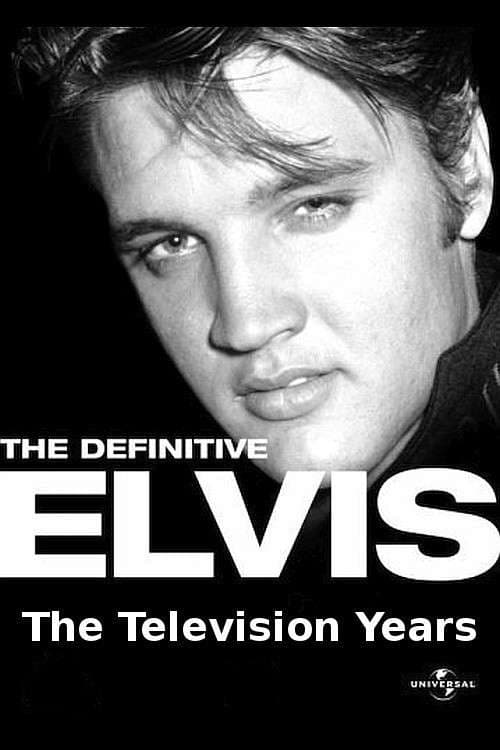
The Definitive Elvis: The Television Years
2002
No user ratings available yet
Representation score: 1.9 out of 10
Representation Score
Minimal
2002
GRuntime
104 minutes
Average Rating
No ratings yetNew Showbiz Analysis
This documentary serves as a traditional biographical archive celebrating a singular historical legacy. Its narrative structure prioritizes the life arc of a dominant cultural icon, reflecting mid-20th-century social hierarchies. While the film touches on the racial tensions of the 1950s through Presley's controversial media appearances, it leans towards a celebratory historical record rather than a systemic critique. Women are represented within traditional romantic and domestic roles. Ultimately, the work lacks the intentionality needed to disrupt conventional clichés or provide multi-layered depth, focusing instead on a chronological documentation of a specific cultural phenomenon.
Category Breakdown
The documentary does not feature any LGBTQ+ characters or narratives. It focuses solely on Elvis Presley's personal history and his relationship with Dixie Locke Emmons.
Women are represented through interviews with figures like Dixie Locke Emmons, but their roles remain within traditional frameworks of domesticity and romantic history.
The film addresses the racial complexities of the 1950s Memphis music scene. It documents Presley's controversial television appearances but does not offer a framework for systemic critique.
The narrative highlights the 'American Dream' archetype and the cultural significance of mid-20th-century Western entertainment. It emphasizes the traditional cultural importance of the era's musical and television icons.
The documentary does not focus on neurodivergence, physical disabilities, or mental health. The narrative centers on professional milestones rather than the lived experiences of those with disabilities.
Present on Screen
Limited or Absent
Official Synopsis
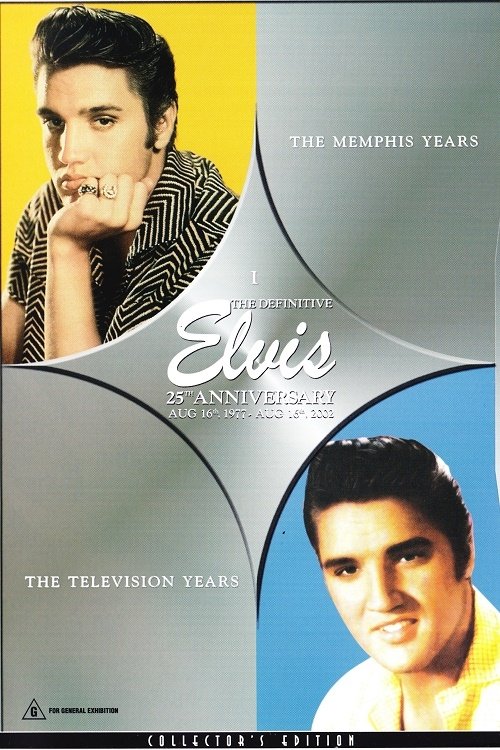
In The Memphis Years, you'll see the shy man who would emerge as the most celebrated performer the world has ever known. From his birth in a two room shotgun shack and his days as a high school outcast to his emergence as the most powerful cultural force of the 20th century. You'll see rare interviews with high school friends Buzzy Forbes and George Klein, and his high school sweetheart Dixie Locke Emmons. The Memphis Years is a look back at the times and places in which Elvis Presley lived his life outside the spotlight in Memphis In The Television Years you'll witness Elvis' groundbreaking television appearances in the 1950's. You'll hear from such notables such as Dick Clark, Ed McMahon, Kenny Rogers, Ray Manzarek, along with DJ Fontana who was there during Elvis' controversial appearances on The Milton Berle Show, The Steve Allen Show, and The Ed Sullivan Show. You'll also see the amazing duet with Frank Sinatra on the 1960 Frank Sinatra "Welcome Home Elvis" show.
2002
2018
1993
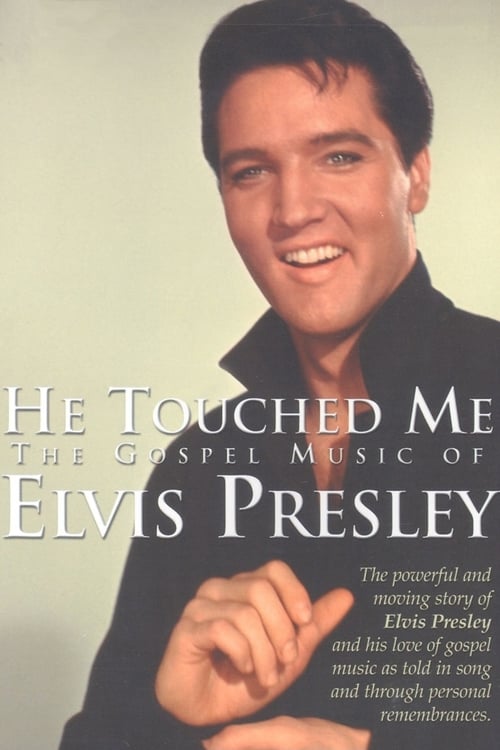
2000

2017

2002
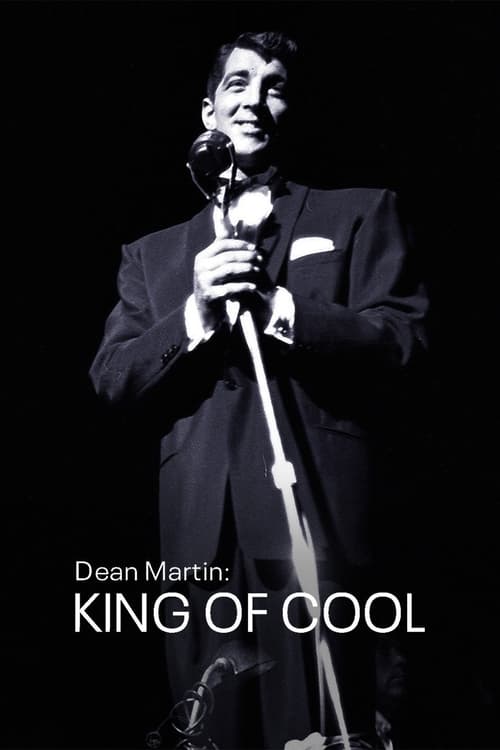
2021
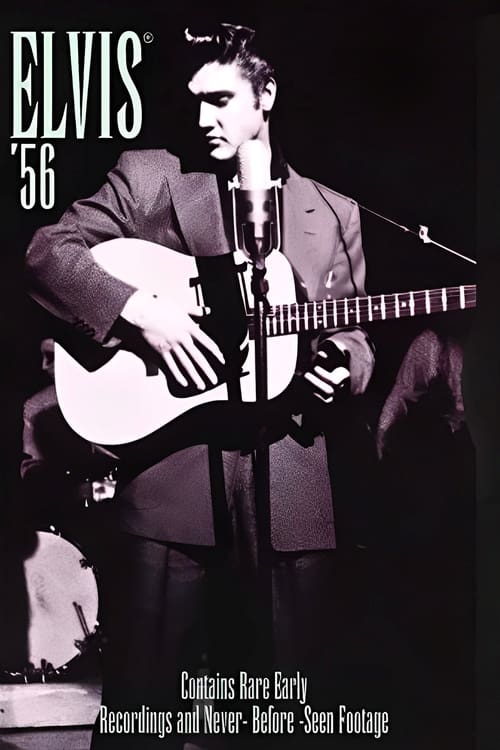
1988
No reviews yet. Be the first to share your thoughts on this movie!
Use the rating form above to leave a star rating and optional review.