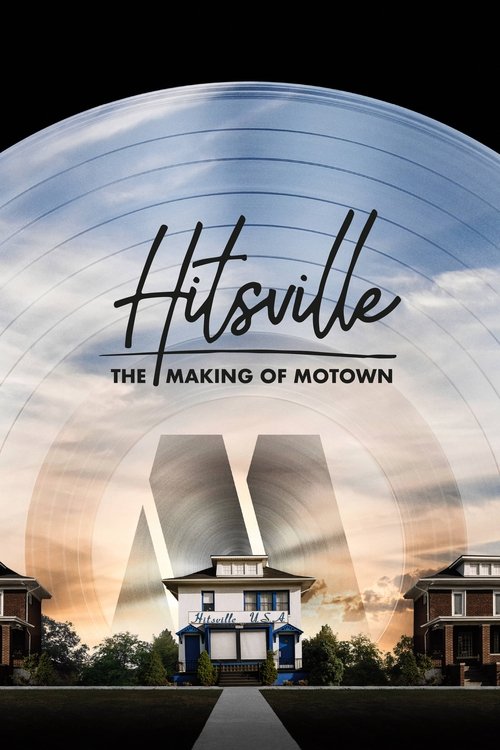
Hitsville: The Making of Motown
2019
No user ratings available yet
Representation score: 5.6 out of 10
Representation Score
Limited
2007
TV-14Director
Susan Steinberg
Runtime
90 minutes
Average Rating
No ratings yetNew Showbiz Analysis
This documentary provides a crucial historical account of how Black musical expression shaped the mid-20th century. By highlighting the contributions of R&B and Soul pioneers, the film challenges the traditional Anglo-centric narratives. However, the film's perspective is limited by the social structures of its time. The narrative predominantly centers on male leadership within the music industry. Ultimately, while the film offers a strong examination of racial dynamics and cultural impact, it lacks engagement with LGBTQ+ identities and disability-focused narratives, resulting in a somewhat narrow diversity profile.
Category Breakdown
The documentary does not include stories about people who are not straight or cisgender. It also does not discuss same-sex relationships or themes related to LGBTQ+ identities.
The film focuses on the male-dominated structure of the mid-century music industry. Although female artists like Aretha Franklin are important, the main storyline follows the careers of male leaders.
The documentary does a great job showing how Black artists had significant influence despite facing restrictions. It highlights how Black musicians drove the success and cultural impact of the record label.
The film offers a detailed look at how capitalism and cultural traditions interacted. It shows how the pursuit of profit helped bring Black musical styles into the mainstream.
The film does not focus on disabilities, visible or invisible. The story mainly revolves around the musical legacy and does not address neurodivergence or physical disabilities.
Present on Screen
Limited or Absent
Official Synopsis
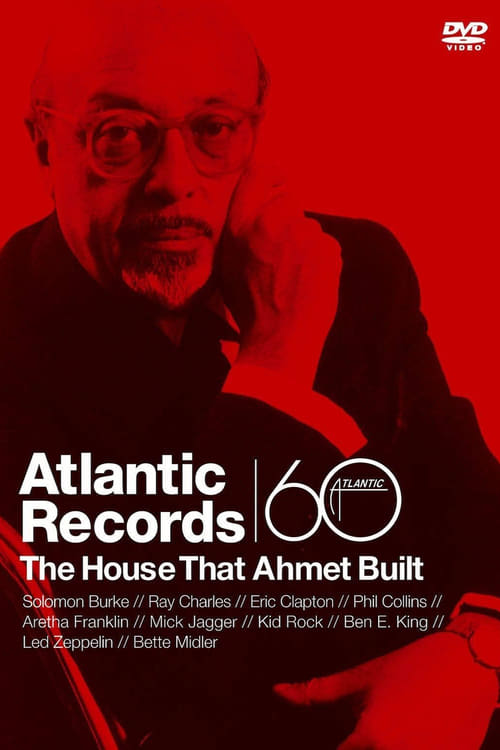
This American Masters episode showcases the wonderful influence of Ahmet Ertegun, the founder of Atlantic Records. Since the label's founding in 1947, some of the most popular Rhythm and Blues and Rock 'n' Roll artists have worked for Atlantic. Among them: first artist Ruth Brown, Big Joe Turner, Ray Charles, Bobby Darin, The Coasters, Aretha Franklin, The Rolling Stones, Phil Collins and many more. Also covered are many of the Atlantic crew like engineer Tom Dowd, producer Jerry Wexler, and songwriters Mike Lieber and Jerry Stoller.
2019
2018
2001
2021
2014
2018
2002
2012
No reviews yet. Be the first to share your thoughts on this movie!
Use the rating form above to leave a star rating and optional review.