
Deceptive Practice: The Mysteries and Mentors of Ricky Jay
2012
No user ratings available yet
Representation score: 3.1 out of 10
Representation Score
Limited
2012
Not RatedDirector
Mark A. Catalena
Runtime
115 minutes
Average Rating
No ratings yetNew Showbiz Analysis
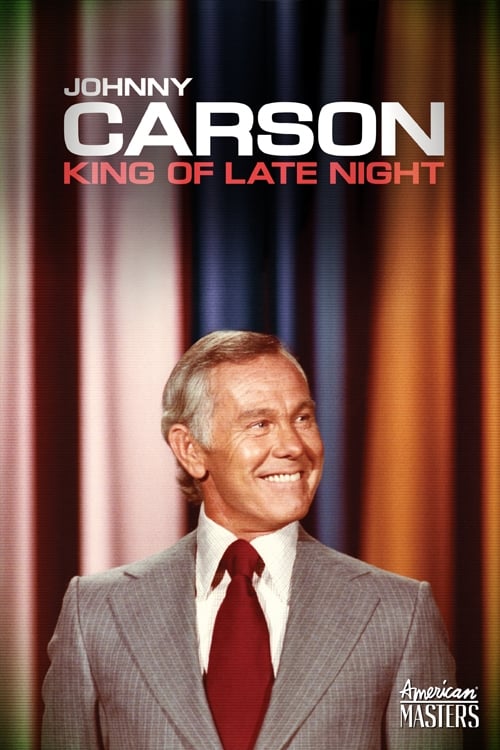
This documentary serves as a historical retrospective of a significant cultural icon. Its aim to document a specific era of American media naturally reflects the social constraints and demographic norms of that time. The film emphasizes the professional journey and individual merit of Johnny Carson. This focus leads to a reliance on traditional hierarchies, resulting in a lack of diversity and systemic critique. Ultimately, the work functions as a celebratory biography rather than a tool for social deconstruction. It maintains a conventional approach to storytelling that mirrors the era it depicts.
Category Breakdown
The film adheres to the straight-centered standards of mid-to-late 20th-century television. It does not include any LGBTQ+ characters or narratives that question traditional social norms.
The story focuses on a single male figure and his professional dominance. While an ex-wife offers commentary, the film upholds the mid-century archetype of the male entertainer.
The documentary reflects the demographic homogeneity of the era when Carson's career flourished. It lacks diversity and does not feature a cast that includes various ethnicities.
The film follows a traditional biographical structure centered on Carson's professional achievements. It does not emphasize secular themes and does not challenge Western institutions, focusing instead on success within the American entertainment industry.
Carson's drinking problem is portrayed as a personal flaw rather than a nuanced exploration of disability. No characters with disabilities play a central role in the narrative or serve as key plot devices.
Present on Screen
Limited or Absent
Official Synopsis
Chronological look at the life and career of Johnny Carson (1925-2005), with commentary from an ex-wife and more than 30 fellow comedians, friends, employees, and biographers. The biography defines why Carson was an enduring star (his cool, his timing, his genuine laugh, his breadth of knowledge) and pursues his motivations and inner self (a loner with a drinking problem, a decent Midwesterner whose mother withheld approval, a quiet person who loved to entertain). The key to understanding him, argues the biography, is his love of magic.
2012
2011

2011
2018
2011

2025

2010
2011
No reviews yet. Be the first to share your thoughts on this movie!
Use the rating form above to leave a star rating and optional review.