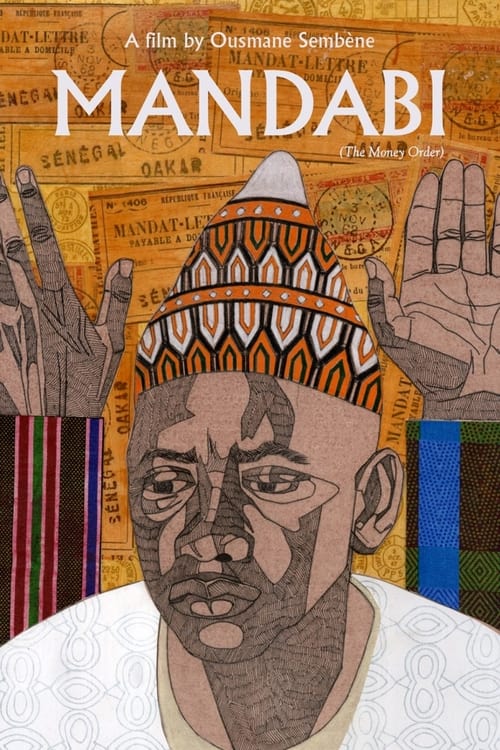
Mandabi
1968
No user ratings available yet
Representation score: 4.0 out of 10
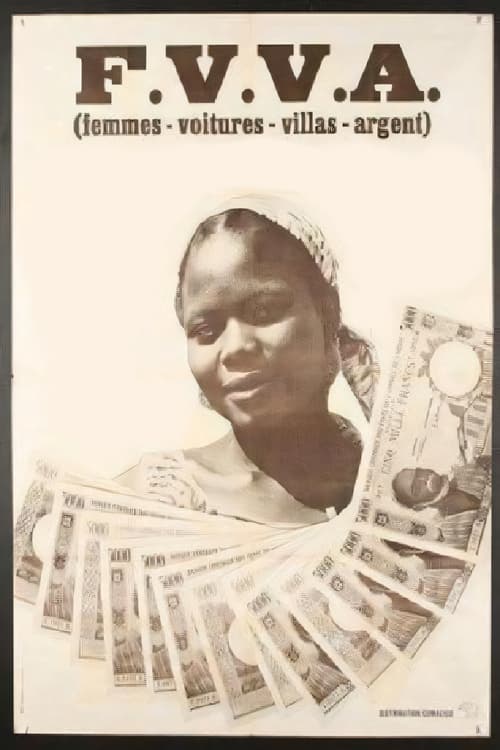
Representation Score
Fair
1972
Director
Moustapha Alassane
Runtime
75 minutes
Average Rating
No ratings yetNew Showbiz Analysis
Moustapha Alassane’s work provides a sophisticated critique of the tensions between traditional African social structures and Western modernity. Using satire, the film explores how rapid urbanization and capitalism affect personal morality and social hierarchies. The film excels in its portrayal of African identity and its refusal to rely on Western stereotypes. It presents a complex view of how characters navigate the transition from rural traditions to modern, consumer-driven lifestyles. While the film lacks LGBTQ+ representation and disability narratives, it disrupts traditional gender hierarchies effectively. The contrast between the two female leads offers a meaningful departure from conventional cinematic roles.
Category Breakdown
The film focuses on straight relationships and does not include any LGBTQ+ characters or non-straight identities.
The story avoids stereotypical female roles by contrasting Haoua’s traditional lifestyle with Henriette’s urban independence. Henriette’s bold actions challenge the idea of the submissive woman.
The film centers on African characters dealing with post-colonial urban life. It offers a nuanced perspective on modern African identity, avoiding oversimplified Western views.
The narrative highlights the clash between traditional religious values and Western consumer culture. It contrasts the faith-based village life with the secular, material-focused city environment.
There are no characters with visible or invisible disabilities in the film.
Present on Screen
Limited or Absent
Official Synopsis
Ali is the image of modern Africa. He happily returns from a football match on his motorbike but a nasty surprise is waiting for him at his parents' home: he finds Haoua, his bride-to-be, waiting for him. The wedding is celebrated shortly afterwards and the two begin living together under the same roof. They are strangers but cannot stand each other. Haoua is the classic traditional woman who has just arrived from the village, God-fearing and faithful to the laws of tradition. Ali's friends advise him to look for a second wife. He meets Henriette, an uninhibited and provocative city girl, the woman of his dreams. To meet Henriette's constant requests, Ali 'borrows' some money from the coffers of commander Soleymane, but he is discovered and ends up in prison. Henriette is furious and leaves him, whilst Haoua cries for him in despair.
1968

1967
1992

1973
2017

1972
1970

1970
No reviews yet. Be the first to share your thoughts on this movie!
Use the rating form above to leave a star rating and optional review.