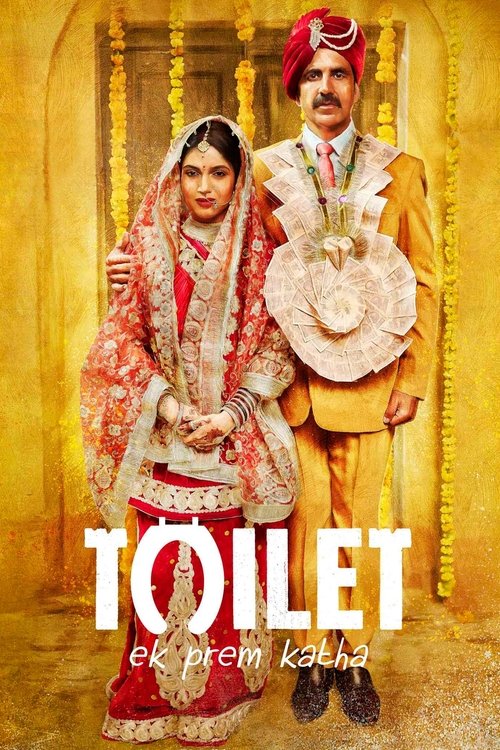
Toilet: A Love Story
2017
No user ratings available yet
Representation score: 4.1 out of 10
Representation Score
Excellent
2017
Director
Peter Sedufia
Runtime
78 minutes
Average Rating
No ratings yetNew Showbiz Analysis
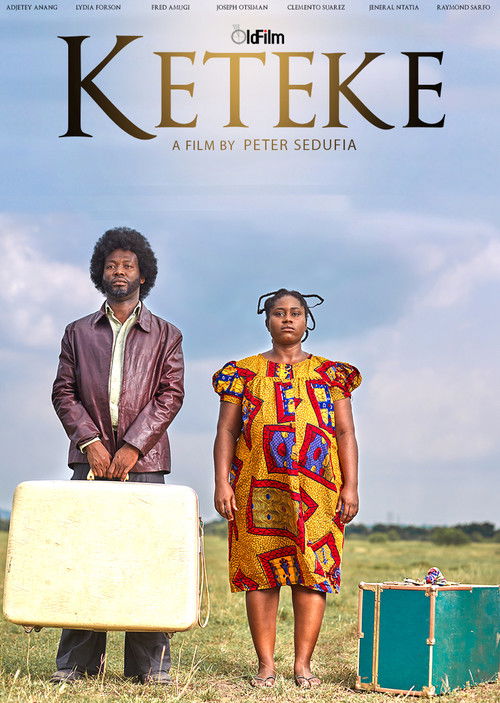
Keteke is a vibrant celebration of Ghanaian identity that eschews Western cinematic clichés in favor of local authenticity. By focusing on a specific cultural context, the film excels in racial and ethnic specificity. While the narrative adheres to traditional frameworks regarding gender and family, it uses comedic elements to challenge these social expectations. This approach allows for a sophisticated critique of communal norms rather than a simple acceptance of them. The film's strength lies in its localized storytelling, presenting a world that feels complete and meaningful without relying on Western validation.
Category Breakdown
The story focuses on the romantic and familial struggles of Atswei and Boi. It does not include explicit references to LGBTQ+ identities or subtext, emphasizing traditional social structures.
The film offers a nuanced perspective on gender roles in rural Ghana. It portrays women as active participants rather than passive victims, highlighting a shared struggle between the couple during their crisis.
With an all-Black cast, the film avoids an outsider perspective. It presents a cohesive, non-Anglo-centric world where characters' actions are grounded in their local traditions and geography.
The narrative employs absurdist comedy to critique rigid social norms. It prioritizes local traditions and personal experiences over Westernized notions of progress or institutional stability.
There is no explicit depiction of characters with visible or invisible disabilities. The plot focuses on socioeconomic and physical mobility challenges rather than specific disability representation.
Present on Screen
Limited or Absent
Official Synopsis
It's the 1980s in rural Ghana, and Atswei is heavily pregnant and desperate to get to Ateke to deliver her baby. But when she and husband Boi miss the morning train — the only means of transport to the city — the hapless couple are left stranded in the blazing sun with only Boi's boombox for encouragement. A madcap race against time follows in this colorful screwball comedy, with wry but affectionate nods to Ghanaian traditions and gender dynamics.
2017

2016

2015
2003
2009

2017

1999
2008
No reviews yet. Be the first to share your thoughts on this movie!
Use the rating form above to leave a star rating and optional review.