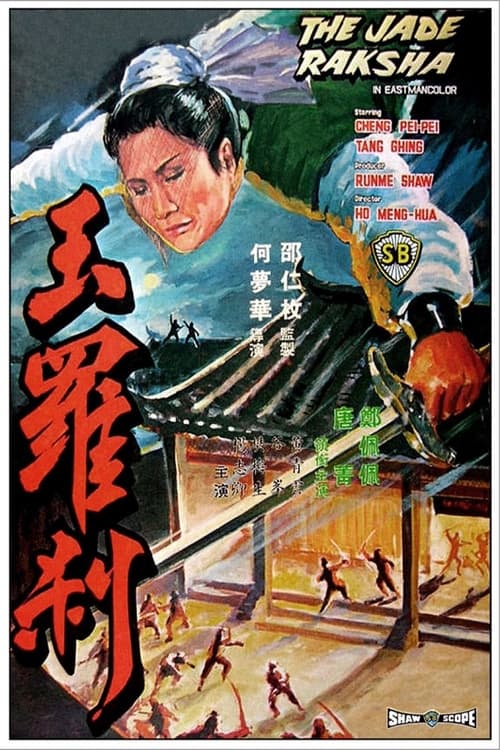
The Jade Raksha
1968
No user ratings available yet
Representation score: 4.6 out of 10
Representation Score
Fair
1978
Director
Ho Meng-Hua
Runtime
82 minutes
Average Rating
No ratings yetNew Showbiz Analysis
The film stands out as a study of female empowerment within the confines of 1970s martial arts cinema. By focusing on Rong Qui-yan's transformation from a domestic role to a powerful martial artist, the story challenges traditional submissive female roles. While the cast remains ethnically homogeneous and the romantic dynamics follow conventional patterns, the film provides a layered critique of institutional corruption. Ultimately, the film's strength lies in its emphasis on individual ability to act against corruption, despite adhering to the demographic norms of its time.
Category Breakdown
The film does not include any explicit LGBTQ+ characters or relationships. The plot revolves around a traditional love triangle involving the protagonist, her deceased husband, and an ex-lover.
Rong Qui-yan transitions from a submissive wife to an active agent of revenge, challenging traditional gender roles. Her journey highlights physical and intellectual ability to act over passive stereotypes.
The cast is predominantly Cantonese, reflecting the ethnic homogeneity typical of Shaw Brothers films. Martial arts serve as a means to assert cultural identity rather than showcasing diverse ethnicities.
The story criticizes systemic corruption by depicting government agents as deceitful antagonists. It portrays the protagonist's struggle as a fight against oppressive institutional authority.
The film does not feature any characters with visible or invisible disabilities.
Present on Screen
Limited or Absent
Official Synopsis
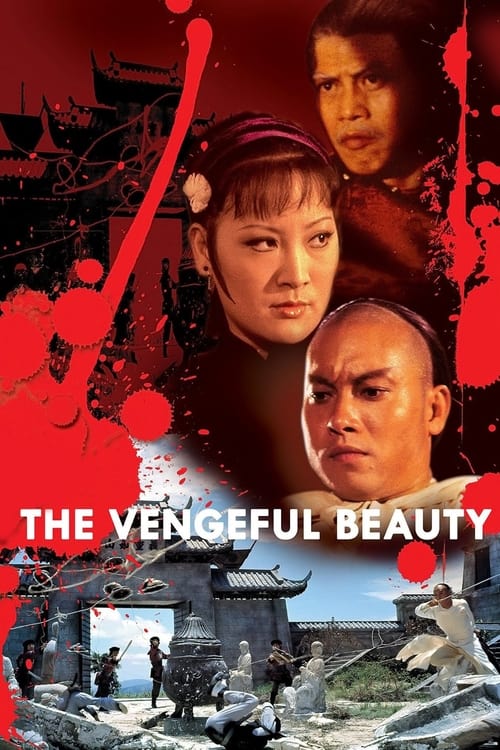
Despite its stand-alone title, this mixture of martial arts and exploitation is a semi-sequel to Shaw Brothers's Flying Guillotine series. This time, the focus is Rong Qui-yan, a kung fu student turned dutiful wife whose life falls apart when her husband is murdered by a squad of government operatives led by the duplicitous Jin Gang-Feng. Qui-yan is forced to go into hiding as she plots her revenge and finds allies in fellow fugitive Ma Seng and ex-lover Wang-jun.
1968

1978
1972
1966
1968
1980

1969
1967
No reviews yet. Be the first to share your thoughts on this movie!
Use the rating form above to leave a star rating and optional review.