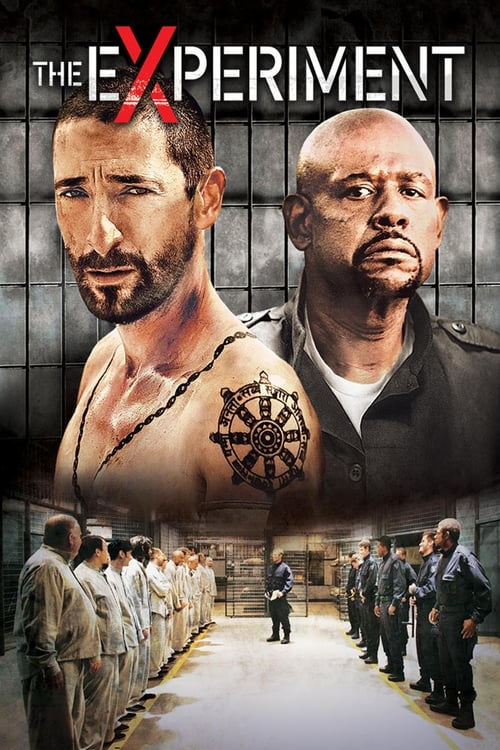
The Experiment
2010
No user ratings available yet
Representation score: 5.6 out of 10
Representation Score
Fair
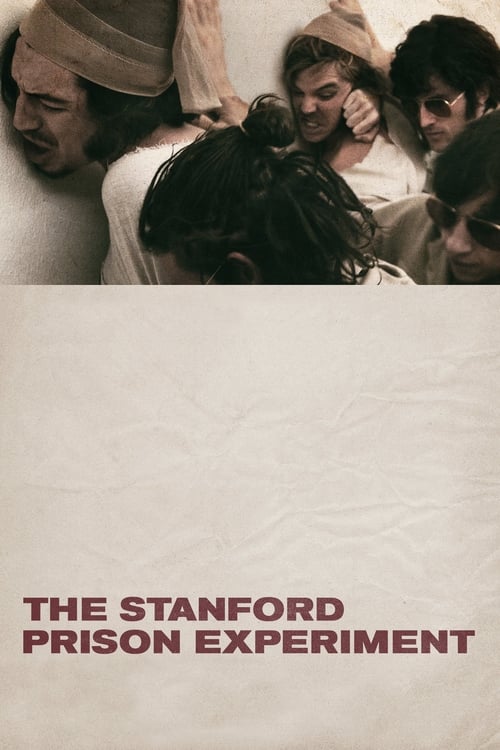
2015
RDirector
Kyle Patrick Alvarez
Runtime
122 minutes
Average Rating
No ratings yetNew Showbiz Analysis
The film emphasizes historical realism and the psychological impact of institutional structures over modern demographic inclusivity. By reflecting the demographics of the 1970s, it captures the era’s social constraints but fails to offer diverse representation across gender, race, or LGBTQ+ identities. However, the film excels in its cultural critique. It demonstrates how systemic roles can lead to ethical collapse and anti-social behavior. Overall, the film serves as a study of power dynamics rather than a diverse character study, achieving thematic depth but falling short in terms of representation.
Category Breakdown
The film does not include any visible queer identities or non-straight relationships. It focuses solely on the psychological experiment without challenging the assumption that everyone is straight.
Men play the key roles in the story, reflecting the male-dominated academic environment of the 1970s. Women have minor roles and are mostly sidelined.
The cast is mainly white, reflecting the demographics of academic institutions in the early 1970s. This historical accuracy limits the inclusion of diverse racial backgrounds.
The film offers a critical look at the corrupting influence of Western academic institutions. It highlights how these systems can lead to unethical behavior and social breakdown.
The film does not focus on visible or invisible disabilities. Psychological states are explored through social roles rather than through the lens of neurodiversity or chronic illness.
Present on Screen
Limited or Absent
Official Synopsis
In 1971, Stanford's Professor Philip Zimbardo conducts a controversial psychology experiment in which college students pretend to be either prisoners or guards, but the proceedings soon get out of hand. Based on a true story.
2010
2015
2001
1998

2022

2012
2019

1999
No reviews yet. Be the first to share your thoughts on this movie!
Use the rating form above to leave a star rating and optional review.