Unsane
2018
No user ratings available yet
Representation score: 5.6 out of 10
Representation Score
Good
2014
RDirector
John Suits
Runtime
88 minutes
Average Rating
No ratings yetNew Showbiz Analysis
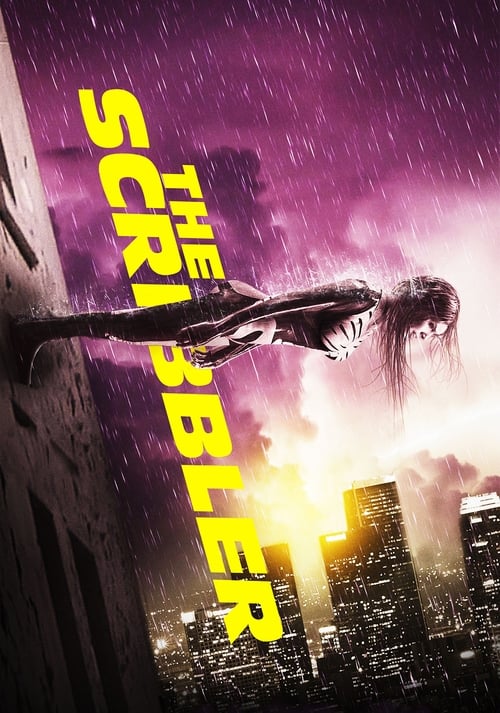
The Scribbler succeeds as a character study that avoids common pitfalls in disability representation. By centering the narrative on the protagonist's internal struggle with multiple personalities, it treats neurodivergence with psychological depth rather than using it as a mere plot device. However, the film's scope is narrow. The focus on a singular, internal psychological journey results in a lack of visible racial, ethnic, or LGBTQ+ diversity. The world feels localized and lacks a broad spectrum of identities. Ultimately, the film's strength lies in its subversion of male-centric sci-fi clichés and its sophisticated critique of how technology encroaches upon the individual mind.
Category Breakdown
The film does not include explicit LGBTQ+ identities or challenge the assumption that everyone is straight or cisgender. It explores identity fluidity through psychological fragmentation but does not provide specific character arcs or markers for queer representation.
Suki subverts dystopian sci-fi clichés by serving as a highly capable, intellectually driven female protagonist. Her journey focuses on her own psychological development rather than her relationship to men.
The narrative focuses on a localized urban setting with no visible racial or ethnic diversity. The emphasis on the protagonist's internal landscape limits the depiction of different backgrounds.
The story critiques the commodification of consciousness and technocratic overreach. It explores postmodern themes by challenging the idea of a singular, objective truth through the protagonist's fractured identity.
The film offers a nuanced look at neurodivergence by treating mental illness as a central existential crisis. It avoids spectacle, focusing instead on the weight of a fragmented self.
Present on Screen
Limited or Absent
Official Synopsis
Suki is a young woman confronting her destructive mental illness using "The Siamese Burn," an experimental machine designed to eliminate multiple personalities. The closer Suki comes to being "cured," she's haunted by a thought... what if the last unwanted identity turns out to be her?
2018
2010

2019

1972
2017

2010

2017

2013
No reviews yet. Be the first to share your thoughts on this movie!
Use the rating form above to leave a star rating and optional review.