
Sex, Lies & Obsession
2001
No user ratings available yet
Representation score: 3.1 out of 10
Representation Score
Fair
1995
Director
Steven Hilliard Stern
Runtime
94 minutes
Average Rating
No ratings yetNew Showbiz Analysis
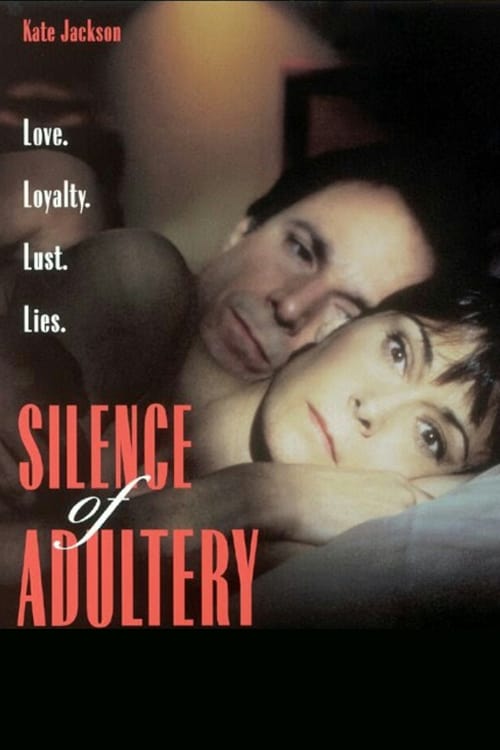
The Silence of Adultery is a conventional mid-90s domestic drama that prioritizes interpersonal conflict over systemic exploration. It provides a female lead with emotional autonomy, yet remains tethered to traditional genre expectations. The inclusion of an autistic child adds complexity, though the narrative purpose of this character remains ambiguous. The lack of racial or LGBTQ+ diversity keeps the story within a very narrow, straight-centered framework. Ultimately, the film functions as a character study of infidelity rather than a progressive exploration of identity.
Category Breakdown
The film focuses on a heterosexual relationship and does not include any LGBTQ+ identities or critiques of the assumption that everyone is straight or cisgender.
The story centers on a female protagonist seeking independence through her affair. However, the film relies on traditional domestic melodrama clichés.
The narrative lacks any indication of a non-white or multi-ethnic cast. It focuses strictly on the interpersonal dynamics of the central characters without considering racial diversity.
The film explores moral ambiguity through adultery within a traditional Western domestic setting. It prioritizes individual emotional fulfillment over critiques of systemic institutions.
An autistic child introduces neurodivergence to the story. However, it is unclear if the child has independent ability to act or merely serves as a backdrop for adult conflict.
Present on Screen
Limited or Absent
Official Synopsis
Drama about a therapist who, as a neglected wife, tries to spice up her stagnant life by having an affair with a soon-to-be-divorced father of an autistic youngster.
2001

1989

1998

1989

1997
1997
1979

1996
No reviews yet. Be the first to share your thoughts on this movie!
Use the rating form above to leave a star rating and optional review.