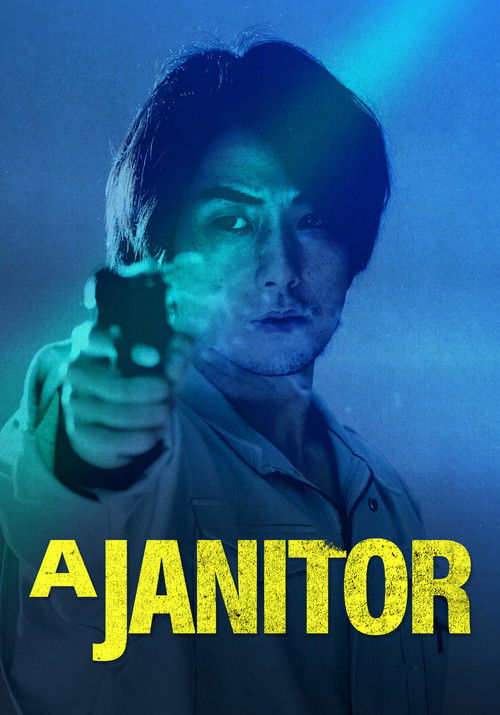
A Janitor
2021
No user ratings available yet
Representation score: 2.8 out of 10
Representation Score
Limited
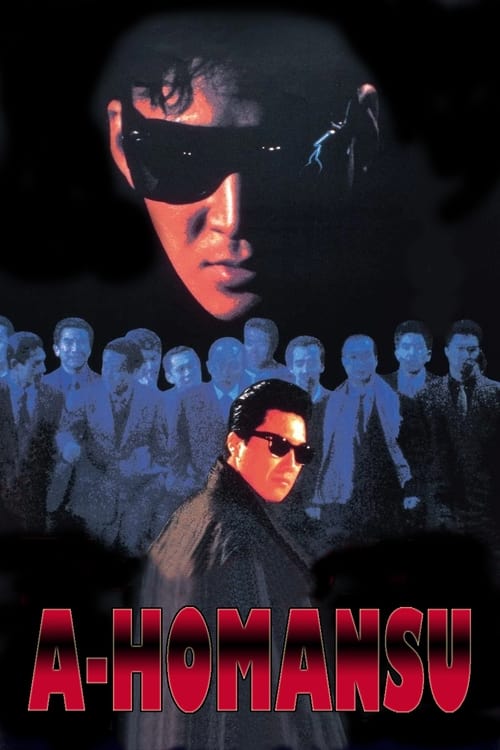
1986
Director
Yūsaku Matsuda
Runtime
99 minutes
Average Rating
No ratings yetNew Showbiz Analysis
A Homance is a genre-focused character study that delves into social displacement through a underrepresented lens. By centering a homeless man with memory loss, the film steers away from typical heroic narratives and introduces themes of class and cognitive identity. However, the film adheres closely to traditional 1980s action-drama structures. It leans heavily on masculine archetypes and the violent hierarchies of the Yakuza, limiting its broader social critique. Ultimately, while the film challenges social norms through its protagonist's status, it lacks depth in addressing multiple aspects of identity and remains culturally homogeneous, focusing on individual survival rather than systemic change.
Category Breakdown
The film does not include any characters with LGBTQ+ identities or non-conforming gender roles. The story focuses solely on the protagonist's experiences within the Yakuza underworld.
The story centers around male-dominated environments and traditional masculine roles. There is little indication of women taking significant roles or challenging established gender hierarchies.
Given that it is a 1986 Japanese production, the film likely portrays a culturally uniform setting. The protagonist's exclusion is due to class issues rather than racial diversity.
The film presents a morally complex scenario by focusing on a character living on the fringes of society. This offers a nuanced look at social order through the perspective of homelessness.
The protagonist's memory loss serves as a key narrative element. This inclusion of cognitive impairment provides a foundation for representing neurodivergent individuals within an action context.
Present on Screen
Limited or Absent
Official Synopsis
A homeless man suffering from memory loss is unbeatable in a fight. He becomes involved with the Yakuza. It is based on a manga by Carib Marley.
2021
1990

1971
2004
1974
2018

1975

2009
No reviews yet. Be the first to share your thoughts on this movie!
Use the rating form above to leave a star rating and optional review.