
The Mexican American War
2006
No user ratings available yet
Representation score: 2.8 out of 10
Representation Score
Limited
2011
TV-PGDirector
Lawrence Hott, Diane Garey
Runtime
114 minutes
Average Rating
No ratings yetNew Showbiz Analysis
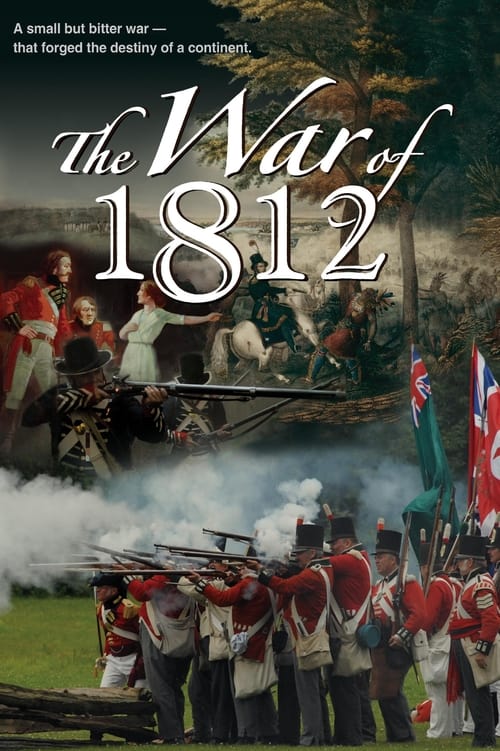
The documentary stands out by avoiding a triumphalist, patriotic view of the War of 1812. Instead, it uses a post-colonial perspective to examine the systemic costs of nation-building. While the film excels in highlighting the multi-layered realities of racial dispossession and the expansion of slavery, it falls short in representing LGBTQ+ identities and women's roles. Ultimately, the film's strength lies in its willingness to deconstruct historical myths, prioritizing a nuanced understanding of power structures over a simplified, celebratory national narrative.
Category Breakdown
The film does not include any characters or stories related to LGBTQ+ identities. Its focus on early 19th-century geopolitics does not mention any non-straight relationships or identities.
The documentary mainly discusses large-scale geopolitical shifts and military conflicts. It does not show women playing a significant role or challenging traditional social hierarchies.
The narrative avoids focusing solely on Anglo-American perspectives by centering the impact of the war on Native American sovereignty. It highlights the link between the war's outcome and the rise of a slave-based Cotton Kingdom.
The film provides a detailed critique of Western expansionism. It portrays the era as a complex network of consequences, including the loss of Indigenous cultures and systemic issues.
There is no information about the portrayal of physical or neurodivergent disabilities within the film.
Present on Screen
Limited or Absent
Official Synopsis
The War 1812 is a two-hour film history of a deeply significant event in North American and world history. The war shaped American, Canadian and British destiny in the most literal way possible: had one or two battles or decisions gone a different way, a map of the United States today would look entirely (and shockingly) different. The fires of this war forged the nation of Canada; at the same time, the result tolled the end of Native American dreams of a separate nation. By war's end, the process of Native nation removal had already begun in the southeast, paving the way for a Cotton Kingdom powered by slavery, and a United States that had been on the verge of collapse was ready to announce its arrival as a global power. The U.S. did not win the War of 1812, but the noble experiment of democracy had managed to survive intense pressure from without, and within.
2006
2012
2014
2007
2011
2016
2012
2005
No reviews yet. Be the first to share your thoughts on this movie!
Use the rating form above to leave a star rating and optional review.