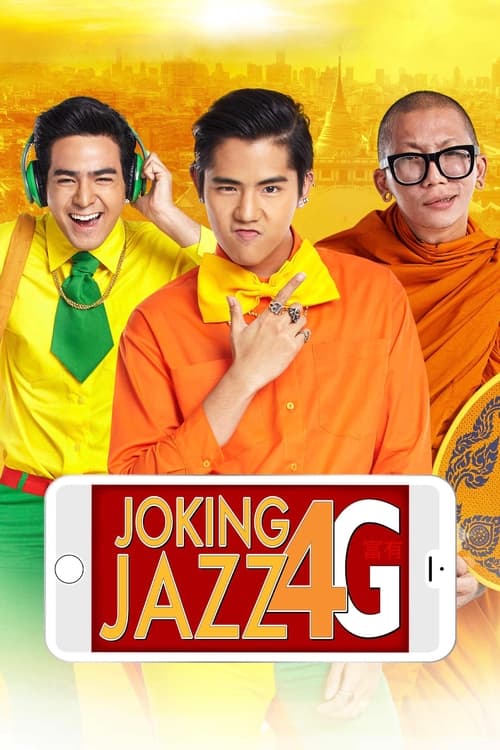
Joking Jazz 4G
2016
No user ratings available yet
Representation score: 4.5 out of 10
Representation Score
Fair
2005
Director
Bamrer Phongintakun
Runtime
91 minutes
Average Rating
No ratings yetNew Showbiz Analysis
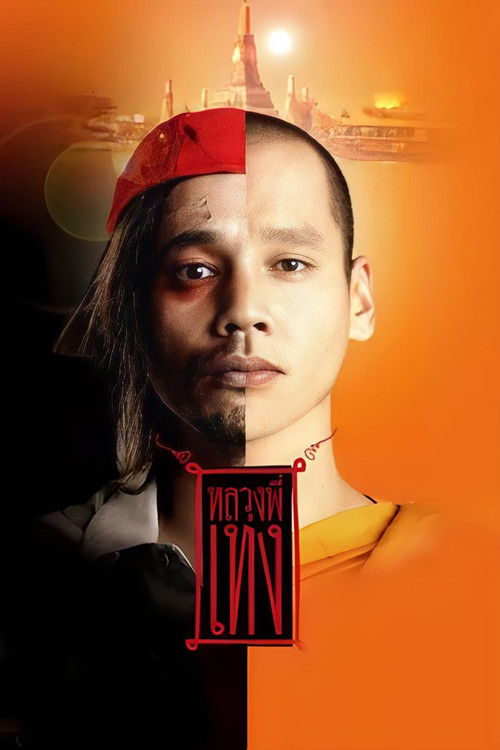
The film 'The Holy Man' serves as a culturally specific comedy that emphasizes local Thai traditions and religious integrity. It avoids Anglo-Saxon-centric narratives by focusing on a non-Western setting. However, the narrative structure reinforces traditional community hierarchies. It lacks depth in representing diverse identities, focusing instead on a male-led struggle against superstition within a conventional religious context. Ultimately, the film functions as localized social commentary rather than a progressive disruption of social hierarchies.
Category Breakdown
The film focuses on the tension between religious devotion and local superstition. There are no LGBTQ+ characters or storylines that challenge straight-centered assumptions.
The story centers on a male monk dealing with community leadership. It lacks female characters in positions of structural authority, adhering to traditional roles.
As a localized Thai production, the film features a predominantly Southeast Asian cast. It offers a non-Western perspective centered on a homogeneous local community.
The film explores the conflict between Buddhism and folk superstition. It critiques fraudulent spiritual practices by challenging a fake psychic, while operating within a traditional religious framework.
There are no characters with visible or invisible disabilities serving as significant narrative devices.
Present on Screen
Limited or Absent
Official Synopsis
Formerly a troubled youth, a monk is given charge of a Buddhist temple that is neglected by superstitious villagers who are under the spell of a fake psychic.
2016

2006
2010
2021
2001
2019

2008

1994
No reviews yet. Be the first to share your thoughts on this movie!
Use the rating form above to leave a star rating and optional review.