Tora-san's Grand Scheme
1970
No user ratings available yet
Representation score: 2.0 out of 10
Representation Score
Good
2016
Director
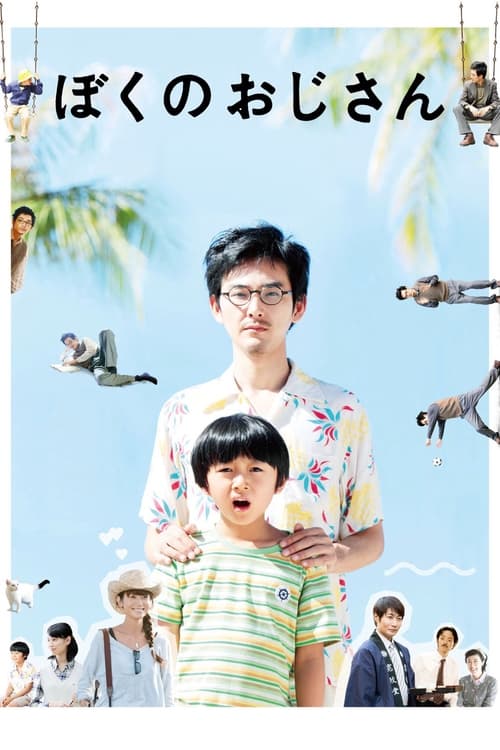
Nobuhiro Yamashita
Runtime
110 minutes
Average Rating
No ratings yetNew Showbiz Analysis
Nobuhiro Yamashita’s film stands out as a character-driven critique of rigid societal structures. By focusing on an eccentric philosopher who rejects traditional roles, the film offers a fresh perspective on the patriarchal hierarchy and middle-class expectations. However, the narrative remains largely confined to a Japanese context. While the inclusion of a character from Hawaii adds a layer of transnational identity, the story does not delve deeply into a broad range of diverse identities or disability issues. Overall, the film’s strength lies in its cultural critique of conformity, using an eccentric outsider to validate unconventional lifestyles, even if it adheres to traditional romantic and social frameworks.
Category Breakdown
The film does not include explicit LGBTQ+ identities or non-straight relationships. The story centers on the uncle's pursuit of traditional heterosexual relationships and his bond with his nephew.
The uncle challenges traditional gender roles by avoiding the provider archetype. His preference for intellectual pursuits over rigid leadership roles breaks down the stereotype of the stoic, competent patriarch.
Primarily a Japanese production, the film includes a character from Hawaii, Eri Inaba, who embodies a transnational identity connecting Japanese heritage with Western influences.
The film critiques social conformity and the pressures of modern institutions. It portrays the uncle's bohemian lifestyle as a valid alternative to capitalist expectations.
There is no central depiction of physical or neurodivergent disabilities. The uncle’s quirks are portrayed as personality traits rather than an exploration of disability.
Present on Screen
Limited or Absent
Official Synopsis
Yukio Haruyama is an elementary school student. He has an uncle that teaches philosophy part-time at an university. His uncle leeches off his family. The uncle then goes on a blind date and falls in love with beautiful Eri Inaba. She is a fourth generation Japanese living in Hawaii. Sometime later, Eri goes back to Hawaii to take over a coffee farm left behind by her recently deceased grandmother. Yukio and his uncle travel to Hawaii to see Eri.
1970

2018

2013
2004
2016
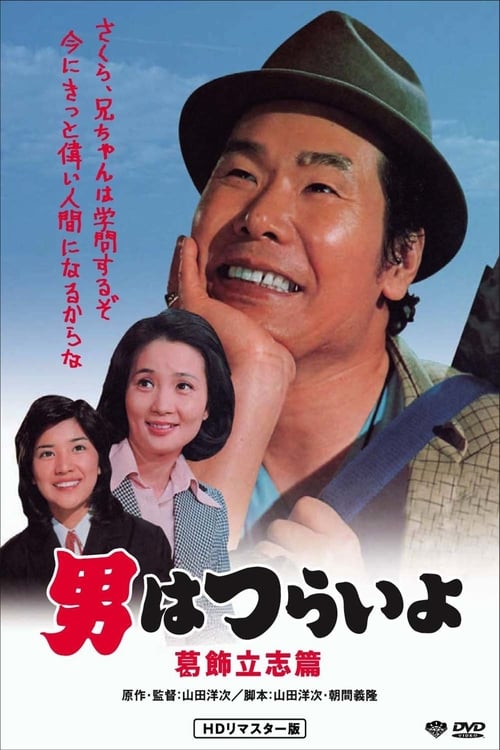
1975
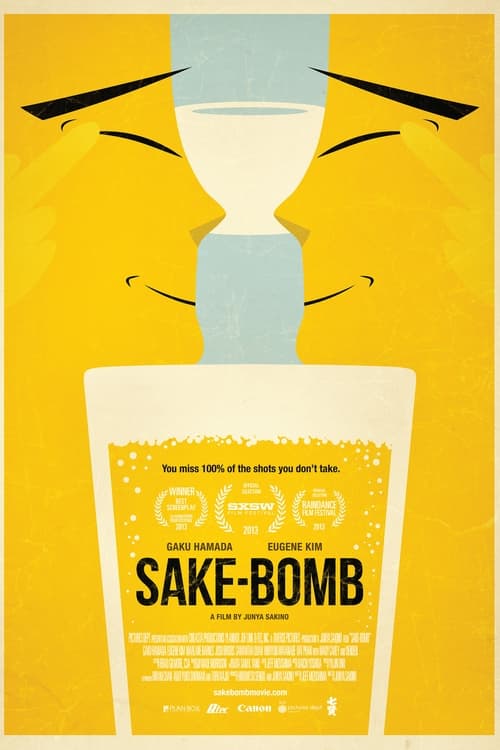
2013
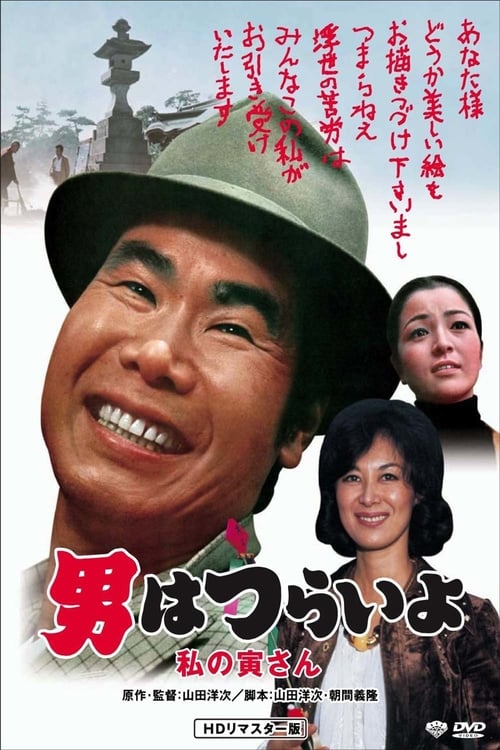
1973
No reviews yet. Be the first to share your thoughts on this movie!
Use the rating form above to leave a star rating and optional review.