Spark
2017
No user ratings available yet
Representation score: 5.8 out of 10
Representation Score
Fair
1993
Director
Toshihiro Tenma
Runtime
95 minutes
Average Rating
No ratings yetNew Showbiz Analysis
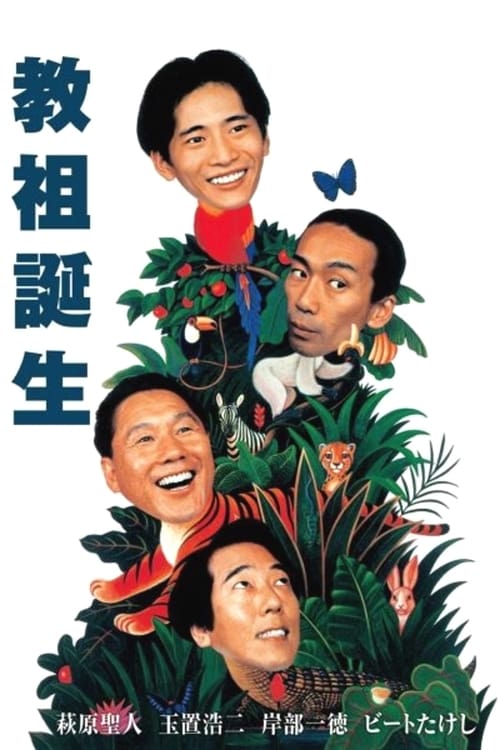
Many Happy Returns is a character-driven narrative focusing on the sociology of belief and the emergence of a religious movement. The plot revolves around the charisma of a leader and the ambitions of the male protagonist, Kazuo. While the film highlights a character with a disability, it primarily uses this condition as a functional plot device. The narrative adheres to traditional storytelling methods without challenging established norms or hierarchies. The film offers a conventional exploration of religious development, lacking the complexity needed to disrupt established societal norms.
Category Breakdown
The film lacks evidence of LGBTQ+ characters or non-assuming gender matches what was assigned at birth identities. The narrative focuses on religious fervor within a traditional social framework.
The film centers on a male protagonist named Kazuo, while a female character's vulnerability drives key plot points. However, the narrative ability to act remains predominantly with Kazuo.
Reflecting its Japanese setting, the film showcases a homogeneous cast with no apparent multi-ethnic representation. The story does not explore diverse cultural backgrounds or multi-layered identities.
The film delves into the dynamics of belief and spirituality, examining the interplay between traditional social structures and emerging spiritual movements.
Disability is used as a central plot device, serving as an inciting incident for the protagonist's journey. However, the narrative may risk reducing the condition to a mere tool for advancing the story.
Present on Screen
Limited or Absent
Official Synopsis
A young man named Kazuo Takayama runs across a religious group whose founder cures an old woman in a wheelchair, restoring her power to walk by a simple touch. Kazuo grows more interested in this new religion and tries to get more followers.
2017

1968

2003

2018

2018
1979

1997

1997
No reviews yet. Be the first to share your thoughts on this movie!
Use the rating form above to leave a star rating and optional review.