
Path to the Kingdom
1952
No user ratings available yet
Representation score: 3.5 out of 10
Representation Score
Limited
1952
PGDirector
Roberto Gavaldón
Runtime
111 minutes
Average Rating
No ratings yetNew Showbiz Analysis
Roberto Gavaldón’s drama is a character study focused on professional ethics rooted in the mid-century studio traditions of Mexico. The film emphasizes a moral dichotomy between materialism and altruism, prioritizing a traditional narrative structure over identity-based exploration. While the film offers regional representation through its Mestizo cast, it operates within the conventional social frameworks of its era, lacking the multi-layered complexity or systemic critique found in modern cinema.
Category Breakdown
The film does not include any representation of LGBTQ+ identities or same-sex relationships. It adheres to a traditional dramatic structure typical of 1952 Mexican cinema.
The story primarily centers on the male protagonist, Alberto Robles, with women likely serving as emotional catalysts rather than having significant autonomy.
The film features a predominantly Mestizo cast, reflecting the nationalistic identity of the Golden Age of Mexican cinema. It avoids Anglo-centric casting while maintaining established social hierarchies.
The story explores a moral tension between luxury and social duty, reinforcing traditional virtues and professional responsibility.
There is no depiction of characters with physical or neurodivergent disabilities within the provided narrative summary.
Present on Screen
Limited or Absent
Official Synopsis
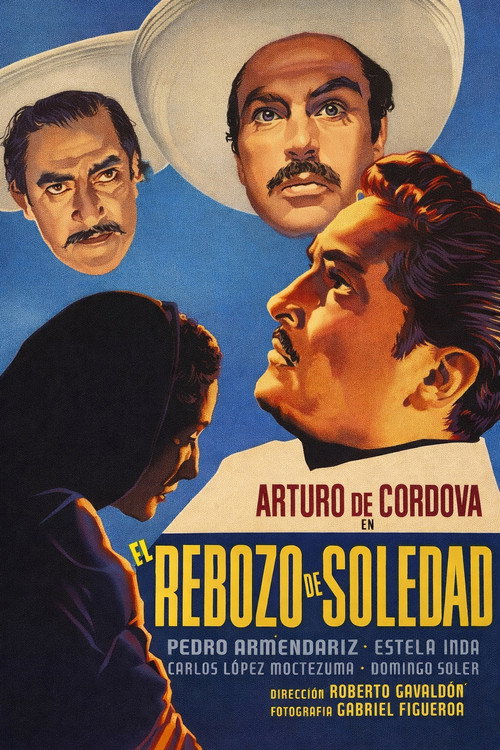
Alberto Robles, a young doctor, is faced with the decision to surrender to a life full of comforts and luxuries or to continue dedicating himself body and soul to serving those who need it most.
1952

1965

1953

1952

1940
1959

1952
1954
No reviews yet. Be the first to share your thoughts on this movie!
Use the rating form above to leave a star rating and optional review.