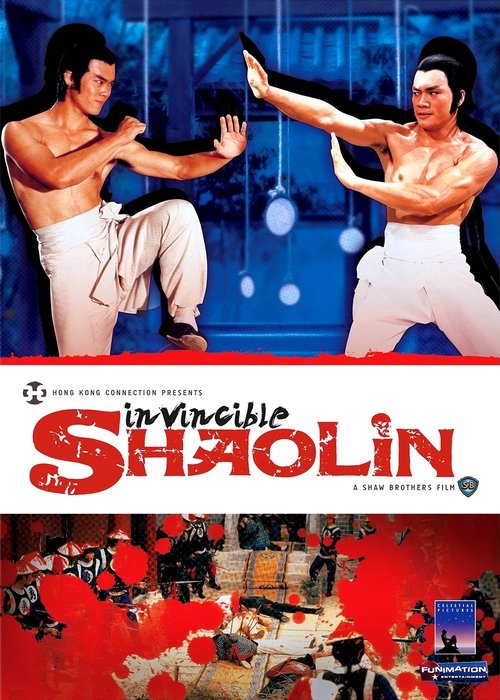
Invincible Shaolin
1978
No user ratings available yet
Representation score: 1.5 out of 10
Representation Score
Minimal
1983
Director
Lee Tso-Nam
Runtime
90 minutes
Average Rating
No ratings yetNew Showbiz Analysis
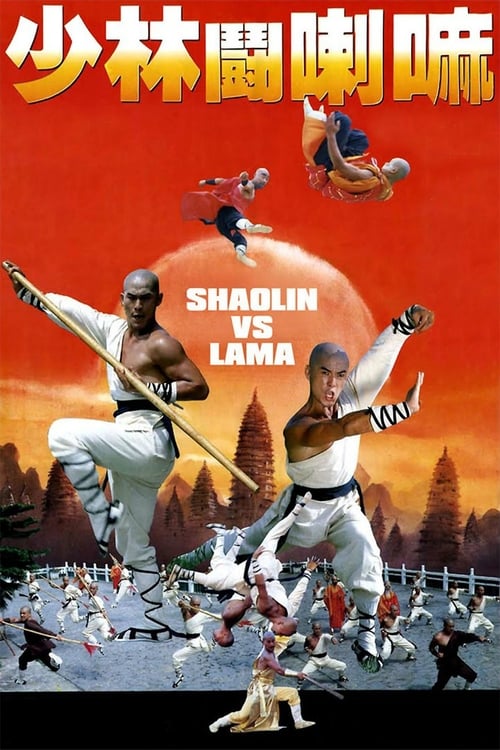
Shaolin vs. Lama is a traditional martial arts drama that prioritizes genre clichés over social complexity. The narrative centers on the physical and spiritual struggle between the Shaolin Temple and the Golden Wheel Lama's faction. While the film offers a culturally specific look at the intersection of Chinese and Tibetan monasticism, it remains within the bounds of established archetypes. It does not attempt to challenge traditional hierarchies or explore diverse identities. Ultimately, the film functions as a classic kung fu tale. It focuses on combat choreography and sectarian rivalry rather than diverse representation or progressive social commentary.
Category Breakdown
The film does not include any LGBTQ+ characters or narratives. The interpersonal dynamics focus solely on male mentorship and sectarian conflict without any queer undertones.
The plot is driven by male characters through martial pursuits. A female character appears only as a catalyst for conflict, lacking independent ability to act or depth.
The story explores friction between Chinese Shaolin and Tibetan Lama identities. It uses specific cultural signifiers to distinguish these different Asian monastic traditions.
The narrative celebrates the sanctity of monastic orders. It portrays religious institutions as authoritative pillars without critiquing their traditional structures.
No characters with visible or invisible disabilities are featured. Disability is not used as a narrative device within the film.
Present on Screen
Limited or Absent
Official Synopsis
A kung fu fanatic, Yu Ting (Alexander Lo Rei), searching for the ultimate master, saves a young Shaolin monk, Hsu Shi (William Yen), from a group of mobsters and sees it as a golden opportunity to enrich his kung fu skills. He persuades the young novice monk to smuggle him into Shaolin, but Ting's presence isn't welcome and he is driven out, but remains close to the temple, keeping in touch with Hsu Shi. When Ting rescues a girl from the clutches of the Flying Eagle gang, the Golden Wheel Lama and sworn enemy of Shaolin finds the perfect excuse to lead an assault on the Temple. Realizing Ting's devotion, the abbot decides to bring Ting into the Shaolin order and teach him the deadliest techniques to prepare him for the Lama's merciless fury.
1978
1976

1983
1967
1978
1976
1977
1975
No reviews yet. Be the first to share your thoughts on this movie!
Use the rating form above to leave a star rating and optional review.