
Overdosed
2021
No user ratings available yet
Representation score: 6.4 out of 10
Representation Score
Good
2012
NRDirector
Matthew Cooke
Runtime
96 minutes
Average Rating
No ratings yetNew Showbiz Analysis
Matthew Cooke’s documentary succeeds as a structural critique of the American drug economy. By reframing illegal activity through market economics and systemic inequality, it moves beyond traditional crime clichés to examine how institutional failures drive illicit markets. The film's greatest strength is its racial and cultural depth. It provides ability to act to people of color and challenges the infallibility of the criminal justice system by highlighting the socioeconomic drivers of the trade. However, the film lacks depth in identity-specific representation. It offers little insight into LGBTQ+ perspectives or the lived experiences of individuals with disabilities, focusing instead on the broader mechanics of supply and demand.
Category Breakdown
The film focuses on the economic and legal mechanics of the drug trade. There is no prominent focus on LGBTQ+ narratives or non-cisgender identities.
The documentary includes both men and women in its interviews. It avoids reinforcing patriarchal hierarchies by presenting the drug trade as a decentralized, chaotic market.
The film excels by featuring a diverse array of interviewees from various racial and ethnic backgrounds. It highlights how systemic inequality and drug policies disproportionately impact underrepresented communities.
The documentary critiques Western institutions and state authority. It frames the drug trade through an anti-capitalist lens, viewing dealer actions as survival strategies.
The film touches on addiction and its physiological impacts. However, these are treated as systemic issues rather than individual studies of neurodivergence or specific disabilities.
Present on Screen
Limited or Absent
Official Synopsis
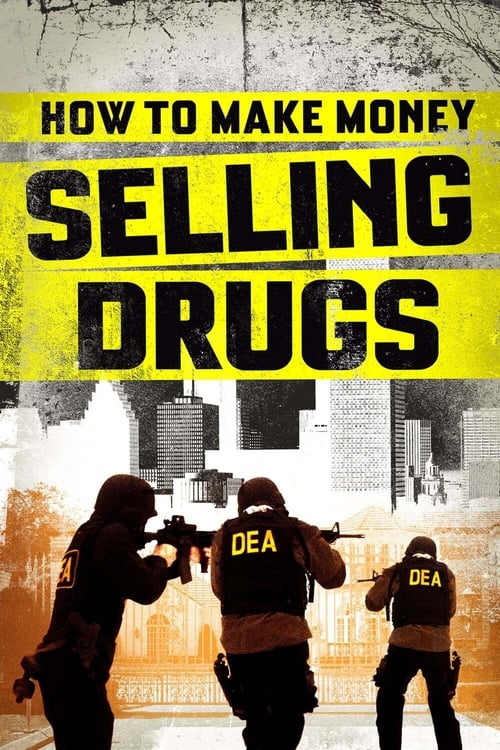
Ten easy steps show you how to make money from drugs, featuring a series of interviews with drug dealers, prison employees, and lobbyists arguing for tougher drug laws.
2021
2021
2012
2015
2014

2022

2014
2006
No reviews yet. Be the first to share your thoughts on this movie!
Use the rating form above to leave a star rating and optional review.